

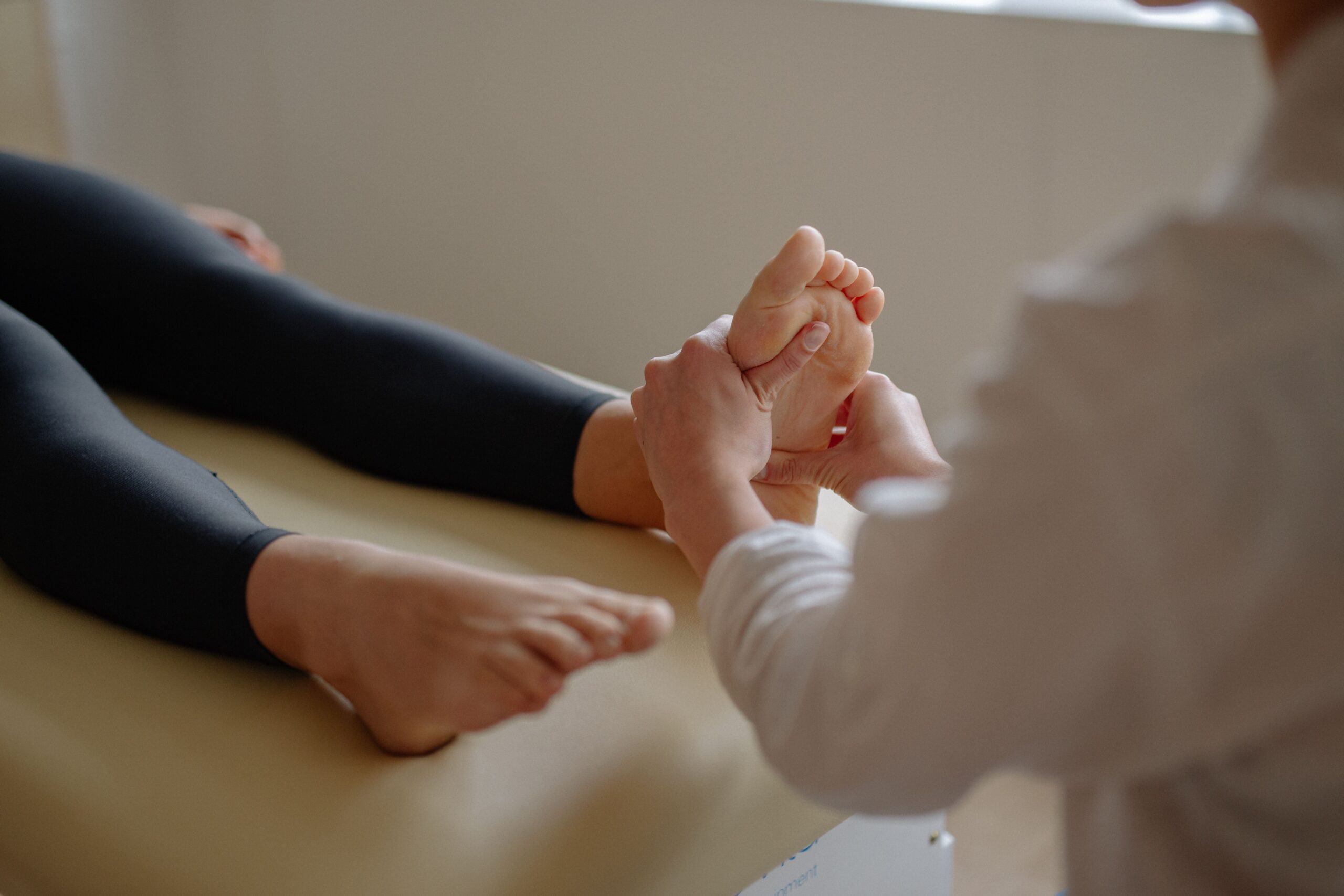
You take a step and suddenly notice a sharp pain on the top of your foot. You can’t remember doing anything that could have caused an injury. So why does it hurt?
Pain on the top of your foot can come from several different structures. Your foot is made up of bones, joints, tendons, and soft tissue and if something is off, it can cause pain. Sometimes the cause is easy to trace back to a new workout or a pair of shoes. But there are times where the pain seems to show up out of nowhere after a normal day.
If you know the location of the pain, what you were doing when it started, and what makes it feel better or worse – these can all provide useful clues as to what is happening.
Common Reasons the Top of Your Foot Can Hurt
Several conditions can cause pain across the top of the foot. Some are related to overusing those muscles, or it can happen after an injury or from changes in the way you move.
Some other common reasons include:
- Extensor tendonitis
- A sprain or strain
- A stress fracture
- Arthritis
- Irritation from footwear
- Increased physical activity
- Changes in the way your foot or ankle moves
The top of the foot holds the extensor tendons. These are tendons that help you lift and straighten your toes. If there is repeated stress on these tendons, it can cause them to be irritated and in pain. Extensor tendonitis can happen from doing activities such as running or jumping repeatedly. Shoes that are too tight or don’t fit right can also put pressure across the top of the foot.

Did You Recently Change Your Activity?
Think about what your feet have been doing over the last few days.
Being more active all of the sudden can put more stress on your feet than they are used to handling. Adding more walking to your routine or spending a long day on your feet could be a significant enough change to warrant this kind of top-of-the-foot pain. It matters because your muscles and tendons in your foot all need time to get used to the changes in activity.
- Did you start a new exercise program?
- Have you been walking or running farther than usual?
- Did you add walking or running up hills or stairs?
- Have you spent more time standing at work?
- Did you recently change your shoes?
- Have you recently returned to exercise after taking time off?
These details can help a physical therapist understand what may have contributed to your pain.
Extensor Tendonitis Can Cause Pain on the Top of the Foot
The extensor tendons run along the top of your foot and help you lift your toes and foot. If these tendons become too irritated, you may notice pain that follows the top of the foot or becomes worse when you use your foot.
Extensor tendonitis is often connected to repeated stress on your foot. Running, jumping, sports, or suddenly doing more activity than usual all can irritate this tendon. You could be having symptoms like: pain with activity, tenderness, swelling, stiffness, or the impacted area might feel warm.
If you have recently increased your activity and now have pain across the top of your foot, giving the area some time to settle down might be helpful. Continuing to push through increasing pain can make an irritated tendon harder to calm down.
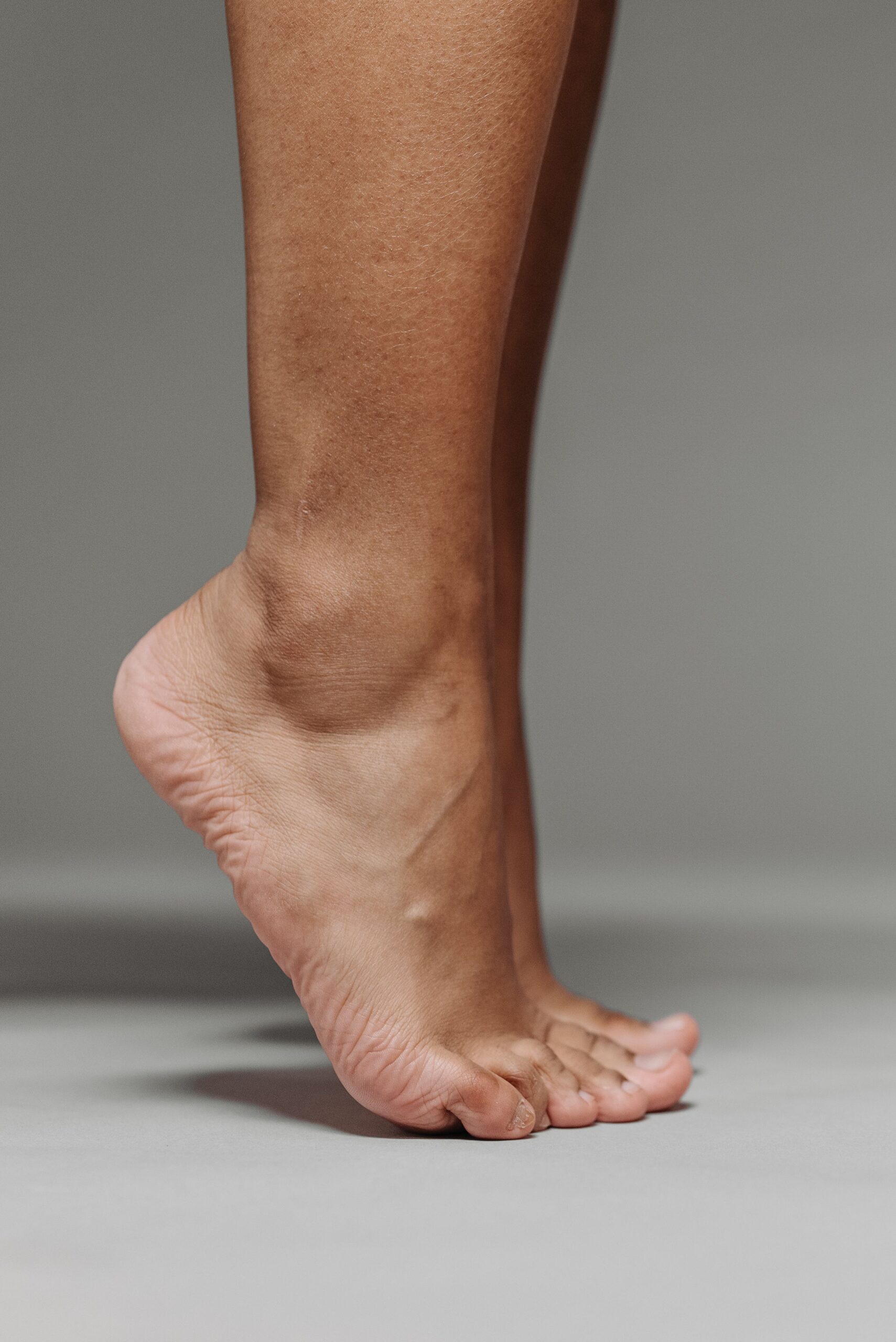
What About a Stress Fracture?
A stress fracture deserves some attention because this is a fracture without you being involved in an obvious accident.
Stress fractures are small cracks in a bone that happen from a bone enduring repeated stress. The bones in the foot, particularly the metatarsals, are really common areas for these injuries. When you dramatically increase your activity or when you put stress on the foot without enough recovery time.
If you have pain that feels like it is only in one spot, especially if it hurts when you put weight on the foot, it is worth having your injury evaluated because it might not be just soreness.
Pay Attention to How the Pain Started
The word “sudden” can mean several different things.
Sometimes the pain really does start right after you do something like land from a jump or change direction during a sport. A sprain or strain can definitely happen in these situations.
Other times, you notice the pain is sudden even though the problem has been happening over time. Your foot may have been handling repeated stress for several days before it finally became painful enough for you to notice. That distinction can be useful when figuring out what is happening.
When Did You First Notice It?
Try to remember:
During Activity
Pain that began while you were jumping or playing sports may point toward an injury that happened because of that.
After Activity
You may notice pain after a long workout or a day standing on your feet.
First Thing in the Morning
Stiffness or pain after sleeping could be a different clue than pain that only happens when you exercise.
At Rest
Pain that continues even when you are not using your foot deserves more attention, especially if it is getting worse.

What Can You Do When the Top of Your Foot Hurts?
When you pay attention to what makes the pain worse, you can temporarily pause the activity that aggravates your foot and give irritated tissues a chance to settle down.
You can also:
- Wear comfortable shoes that do not put pressure across the top of your foot.
- Avoid pushing through an activity that causes increasing pain.
- Use ice for short periods if swelling or soreness is present.
- Give your foot time to recover after increased activity.
- Pay attention to whether your symptoms improve with rest.
These steps can help if your foot is mildly irritated, but they do not tell you what is causing the pain. Foot pain can come from several different structures, so continued or worsening symptoms deserve a closer look.
When Should You Have Foot Pain Evaluated?
You do not need to panic every time your foot hurts. At the same time, ignoring pain that is just getting worse can make it harder to get back to your normal activities.
Have your foot evaluated if:
You cannot comfortably put weight on it.
You have significant swelling.
You heard or felt a pop when the pain started.
The pain followed an injury.
One specific area is very tender to touch.
Your pain continues even after reducing the activity that caused it.
Your symptoms keep getting worse.
You have difficulty moving your feet or toes.
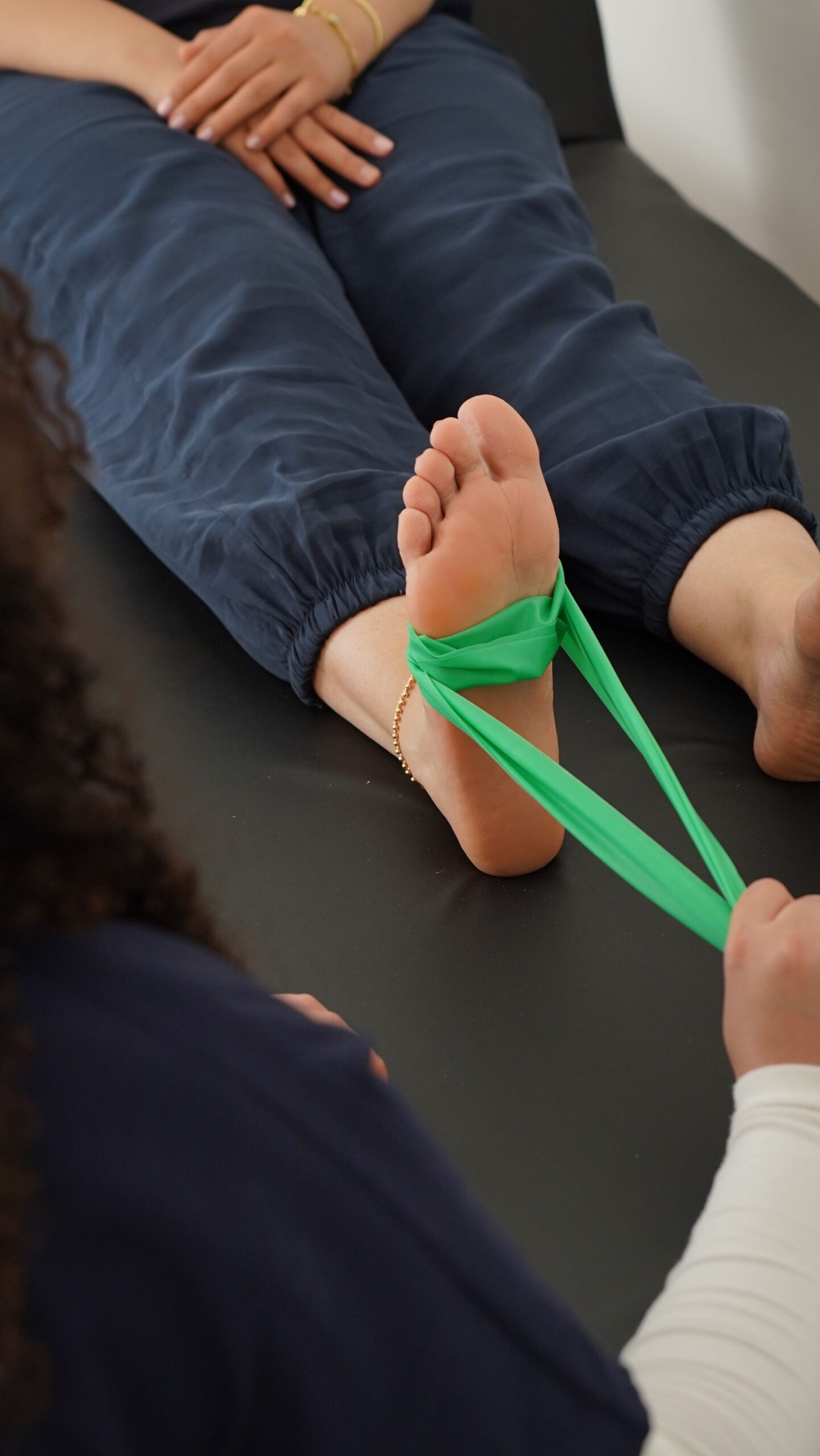
How Can Physical Therapy Help With Foot Pain?
A physical therapist can evaluate how your foot and ankle are moving and look beyond the location where you feel pain.
Pick PT’s orthopedic physical therapy includes evaluation and treatment of your ankle and foot. This can be important because the painful spot is not always the only thing that needs attention. These therapists can look at your foot and ankle movement, strength and balance to understand what might be causing the problem.
Your Treatment Depends on the Problem
There is no single exercise that fixes every type of foot pain. Treatment depends on what is actually causing your symptoms.
After an evaluation, your physical therapist can create an individualized plan based on your condition and goals. These treatments can be therapeutic exercises, manual therapy, mobility work, strengthening, education, or other techniques that you might need. Pick PT provides individualized treatment and works with patients to return you to the daily activities and all the activities you enjoy.
You Don’t Have to Guess What Is Causing the Pain
The top of your foot can hurt for several reasons, and sometimes these symptoms can overlap. If it is extensor tendon irritation, a sprain, a stress fracture, joint problems, or just irritation from your shoes, it can all feel different from one person to another. Pay attention to when your pain started and what movements make it better or worse. Having that information can give a healthcare professional a much better starting point when evaluating your foot.
If the pain is interfering with the activities you enjoy or is not improving, Pick PT can help you take the next step toward finding the source of the problem. We provide orthopedic physical therapy at locations throughout Southeast Idaho, including Idaho Falls, Rexburg, Rigby, and Nampa.
When something changes and your foot starts hurting, paying attention early can help you figure out what your body is telling you. Getting the right evaluation can also help you return to the activities that keep you moving.