

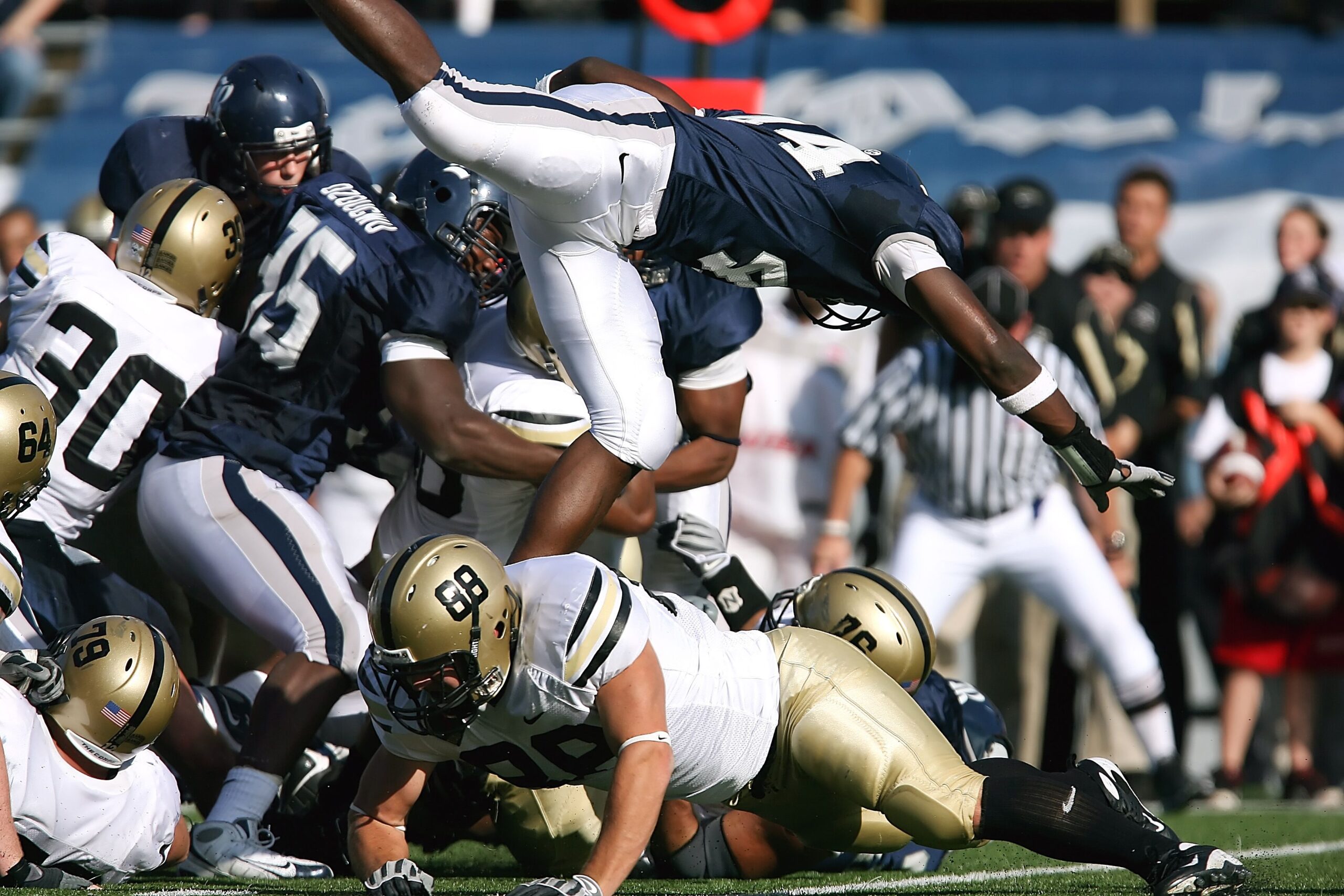
If you play sports, getting hurt is probably something you think about often. Maybe you‘ve sprained an ankle, pulled a muscle, had sore knees, or experienced some other type of injury that forced you to sit out on the sidelines. But have you ever wondered which sport has the most injuries?
The answer depends somewhat on how injuries are measured. Researchers may look at the total number of injuries, injuries per athlete, or injuries per practice or game. However, football consistently has one of the highest injury rates among commonly played sports, particularly when injuries are measured per athlete exposure. For example, research on high school athletes has found that football has a higher injury rate than sports such as soccer, wrestling, basketball, baseball, and volleyball.
That does not mean other sports are low-risk sports. Athletes in almost every sport can experience injuries. The good news is that physical therapy can play an important role in both recovering from injuries and helping reduce the risk of future problems.
Why Do Some Sports Have More Injuries?
Every sport places different demands on the body.
Football
involves frequent contact, quickly changing directions, sprinting, jumping, and tackling.
Soccer
requires athletes to run continuously while cutting, kicking, and changing direction.
Basketball
involves repeated jumping, landing, sprinting, and pivoting.
Even sports that appear less physically demanding can lead to overuse injuries when athletes perform the same movements repeatedly.
The type of sport is only part of the picture, though. How often you train, how quickly you increase your activity, your strength and flexibility, your technique, your recovery time, and previous injuries can all affect your risk.
Interestingly, competition tends to have a higher injury rate than practice across many sports. Athletes may be moving faster, competing more intensely, and pushing themselves harder when the game is on the line.
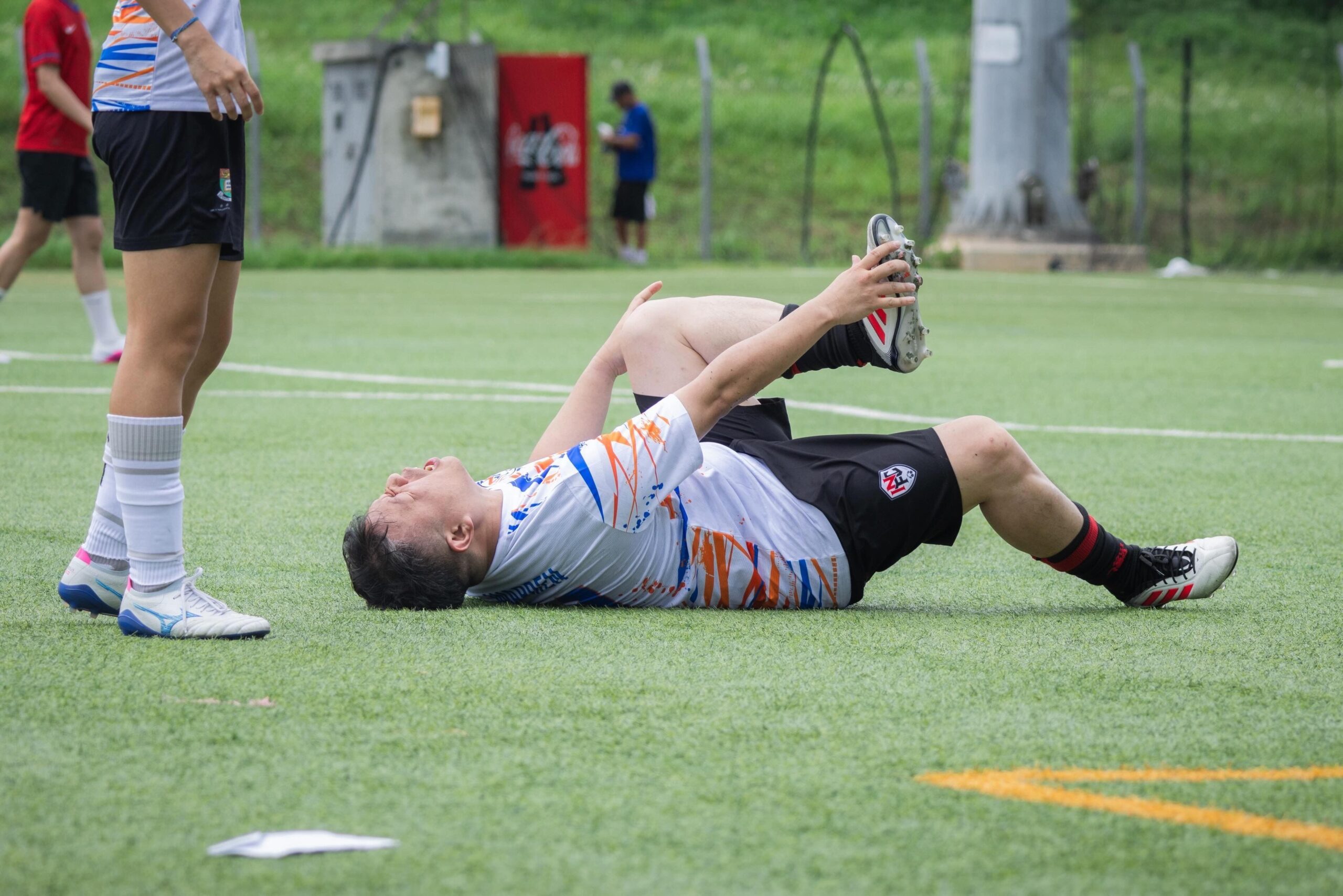
What Are the Most Common Sports Injuries?
The injuries that athletes experience depend on the sport, but some problems show up again and again.
Common sports injuries include:
- Ankle sprains
- Knee injuries
- Muscle strains
- Tendon injuries
- Shoulder injuries
- Overuse injuries
- Concussions
- Fractures
Lower-body injuries are particularly common. In one large study of collegiate athletes across 15 sports, more than half of reported injuries involved the lower extremity, with ankle ligament sprains being the most common specific injury.
For athletes, an injury can mean more than missing a few practices. It can affect strength, confidence, performance, and the ability to participate in the activities you enjoy.
Can Physical Therapy Help Prevent Sports Injuries?
Physical therapy is not only for athletes who are already injured. Injury prevention is an important part of sports physical therapy.
A physical therapist can evaluate how you move and identify areas that may need attention before they turn into a bigger problem. This might include weakness, limited mobility, poor balance, coordination issues, or movement patterns that place extra stress on a joint or muscle.
For example, an athlete who repeatedly rolls an ankle may benefit from exercises that improve ankle strength, balance, and coordination. A runner with poor hip strength may need exercises that help improve lower-body control. A basketball player who struggles with landing mechanics may benefit from training focused on jumping and landing safely.
This type of individualized approach can help athletes prepare their bodies for the demands of their particular sport.
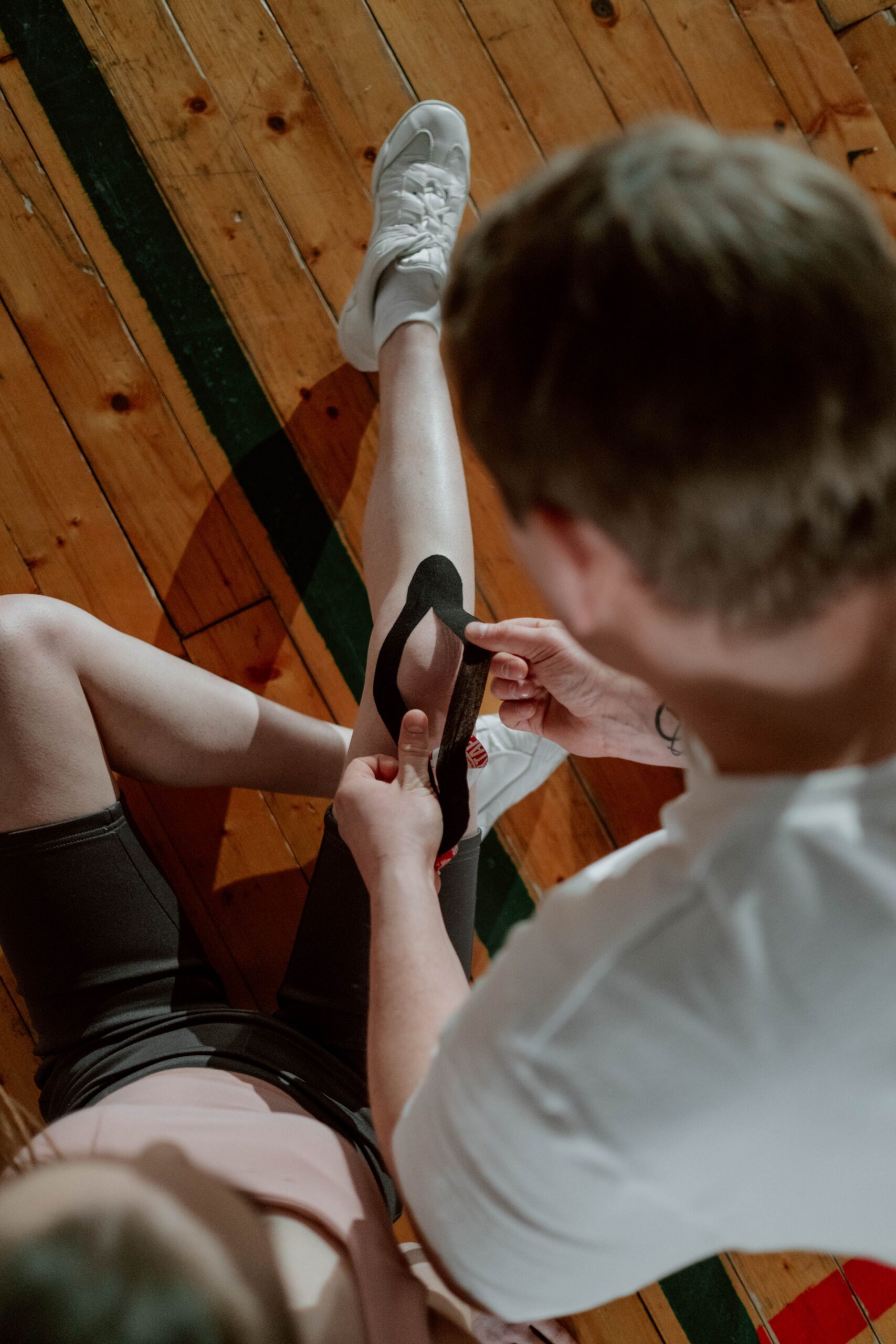
What Does Sports Injury Prevention Look Like?
Injury prevention does not have to mean spending hours in the gym doing complicated exercises. Often, it comes down to preparing your body for what you are asking it to do.
A physical therapist may recommend exercises that focus on:
Strength
Strong muscles can help support your joints and improve your ability to handle the demands of your sport.
Balance & Coordination
These skills are especially important for athletes who jump, cut, pivot, or quickly change direction.
Mobility
Limited movement in one area can sometimes cause other parts of the body to compensate.
Sport-Specific Movement
Training should make sense for the activity you actually participate in. A soccer player, gymnast, and football player have very different physical demands.
Gradual Progression
Increasing training intensity, mileage, or workload too quickly can contribute to injury. Giving your body time to adapt is an important part of staying healthy.
At Pick PT, sports physical therapy includes pre-sport screenings designed to identify musculoskeletal impairments and help athletes develop sport-specific exercises that may reduce their risk of injury.

You Don’t Have to Wait Until You’re Hurt
One of the biggest misconceptions about physical therapy is that you need to be injured before seeing a physical therapist.
While physical therapy can be an important part of recovering from an injury, athletes can also use physical therapy to prepare for a season, improve movement, and address potential problem areas before they become painful.
A pre-season screening can be especially helpful if you are returning to a sport after time away, starting a new activity, or coming back from a previous injury.
If you are interested in learning more about how physical therapy can help athletes prevent and recover from injuries, check out Pick PT’s sports medicine and physical therapy services.
Stay in the Game
There is no way to completely eliminate the possibility of getting hurt while playing sports. Injuries can happen even when you are doing everything right.
However, preparing your body, paying attention to warning signs, allowing enough time for recovery, and working on strength and movement can all be valuable parts of staying active.
Whether you play football, soccer, basketball, volleyball, run, lift weights, or simply enjoy being active, physical therapy can help you understand how your body moves and what you can do to keep it performing at its best.
The goal is simple: spend more time doing the sport you love and less time sitting on the sidelines.