

Car accidents can cause a wide range of injuries, and not all of them are immediately noticeable. While broken bones and serious trauma are often easier to identify, many people experience soft tissue injuries that may develop hours or even days after a crash.
Soft tissue injuries affect the muscles, ligaments, tendons, and other connective tissues throughout the body. These injuries are common after car accidents and can lead to ongoing pain, stiffness, and limited mobility if they are not properly treated. Understanding the symptoms of soft tissue injuries and seeking appropriate care can help support a smoother recovery.
What Are Soft Tissue Injuries?
Soft tissue injuries occur when muscles, tendons, ligaments, or other connective tissues are damaged. During a car accident, the sudden impact can force the body into unnatural movements, causing strain or injury to these areas.
Common causes of soft tissue injuries during a collision include:
- Sudden impact or whiplash motion
- Rapid acceleration or deceleration
- Twisting movements
- The body being thrown against a seatbelt or airbag
- Muscle tension caused by bracing during impact
Even accidents that seem minor can create significant strain on the body.
Common Types of Soft Tissue Injuries After a Car Accident
There are several types of soft tissue injuries that may occur after a vehicle collision.
Whiplash
Whiplash is one of the most common car accident injuries. It occurs when the neck is rapidly forced forward and backward, similar to the cracking motion of a whip.
Whiplash can affect the muscles, ligaments, and joints in the neck and may cause:
- Neck pain
- Stiffness
- Reduced range of motion
- Headaches
- Shoulder pain
- Upper back discomfort
Symptoms may appear immediately or may take several days to develop.
Muscle Strains
Muscle strains happen when muscles or tendons are overstretched or torn. During a car accident, the body may tense suddenly to protect itself, placing excessive stress on certain muscles.
Common areas affected include:
- Neck
- Shoulders
- Back
- Legs
Muscle strains can cause soreness, weakness, swelling, and difficulty with everyday movements.
Sprains
A sprain occurs when a ligament is stretched or injured. Ligaments connect bones and help stabilize joints.
Car accidents can cause sprains in areas such as:
- Neck
- Wrists
- Knees
- Ankles
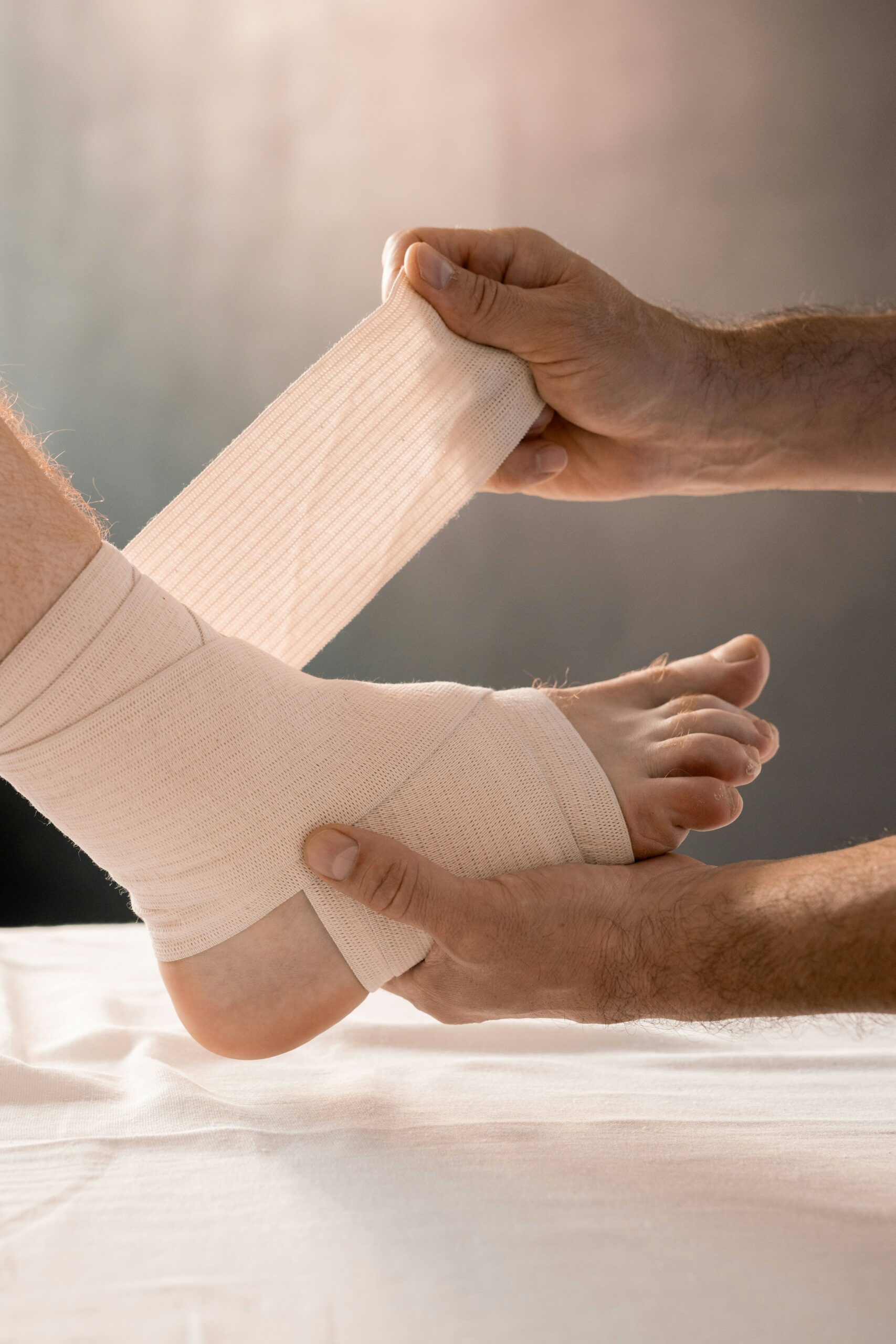
Sprains may lead to pain, swelling, bruising, and reduced joint movement.
Back Injuries
The force of a collision can place significant stress on the spine and surrounding muscles. Soft tissue injuries in the back may cause:
- Lower back pain
- Muscle tightness
- Spasms
- Difficulty bending or lifting
Without proper treatment, back injuries may interfere with work, exercise, and daily activities.
Symptoms of Soft Tissue Injuries
One of the challenges with soft tissue injuries is that symptoms may not appear right away. Adrenaline released during an accident can temporarily mask pain, causing some people to feel fine immediately afterward.
Common symptoms include:
- Neck or back pain
- Muscle stiffness
- Swelling
- Bruising
- Tenderness
- Reduced mobility
- Muscle spasms
- Fatigue
- Headaches
- Pain that worsens with movement
If you experience discomfort after an accident, it is important not to ignore symptoms, even if they seem mild.
Why Soft Tissue Injuries Can Be Difficult to Diagnose
Unlike fractures, soft tissue injuries do not always appear on traditional imaging tests such as X-rays. Because of this, some people assume their injury is not serious. However, soft tissue damage can still cause significant pain and limitations. A healthcare professional can evaluate your symptoms, movement, and physical condition to determine the best course of treatment.

Treatment Options for Soft Tissue Injuries
Treatment depends on the type and severity of the injury, but many soft tissue injuries respond well to conservative care.
Treatment may include:
Physical Therapy
Physical therapy is commonly recommended after car accident injuries because it focuses on restoring movement, reducing pain, and improving strength.
A physical therapist may use:
- Targeted exercises
- Stretching
- Manual therapy
- Mobility techniques
- Posture training
- Strengthening exercises
Physical therapy helps the body heal while addressing the underlying issues contributing to pain and stiffness.
Rest and Activity Modification
While rest is important after an injury, avoiding movement completely for too long can slow recovery. Many injuries heal best with a balance of rest and gentle activity. A healthcare provider can recommend appropriate activity levels based on your condition.
Pain Management
Some injuries may benefit from treatments designed to reduce inflammation and discomfort. Your healthcare provider can recommend appropriate options based on your symptoms.
The Importance of Early Treatment
Seeking care soon after a car accident can make a significant difference in recovery. Early evaluation allows injuries to be identified and treated before they worsen.
Without treatment, soft tissue injuries may contribute to:
- Chronic pain
- Reduced mobility
- Muscle weakness
- Ongoing stiffness
- Difficulty returning to normal activities
Addressing injuries early can help promote better long-term outcomes.
How Physical Therapy Helps With Car Accident Recovery
Physical therapy plays an important role in helping many people recover after a collision. A physical therapist evaluates how the injury affects your movement and creates a personalized treatment plan based on your goals.
Therapy can help:
- Decrease pain
- Restore flexibility
- Improve strength
- Reduce stiffness
- Correct movement patterns
- Help you return to daily activities
Rather than simply treating symptoms, physical therapy focuses on helping your body recover and function properly again.
When to Seek Medical Care After a Car Accident
It is important to seek professional evaluation after a car accident if you experience:
- Persistent pain
- Increasing stiffness
- Headaches
- Numbness or tingling
- Difficulty moving
- Pain that affects daily activities
Even if symptoms seem minor, an evaluation can help identify injuries and create an appropriate recovery plan.
Soft tissue injuries are common after car accidents and can have a major impact on your comfort and mobility. Because symptoms may not appear immediately, it is important to pay attention to changes in your body after a collision. With proper evaluation, treatment, and rehabilitation, many people can recover from soft tissue injuries and return to their normal activities. Pick PT physical therapy and personalized care can help reduce pain, restore movement, and support a successful recovery after an accident.