

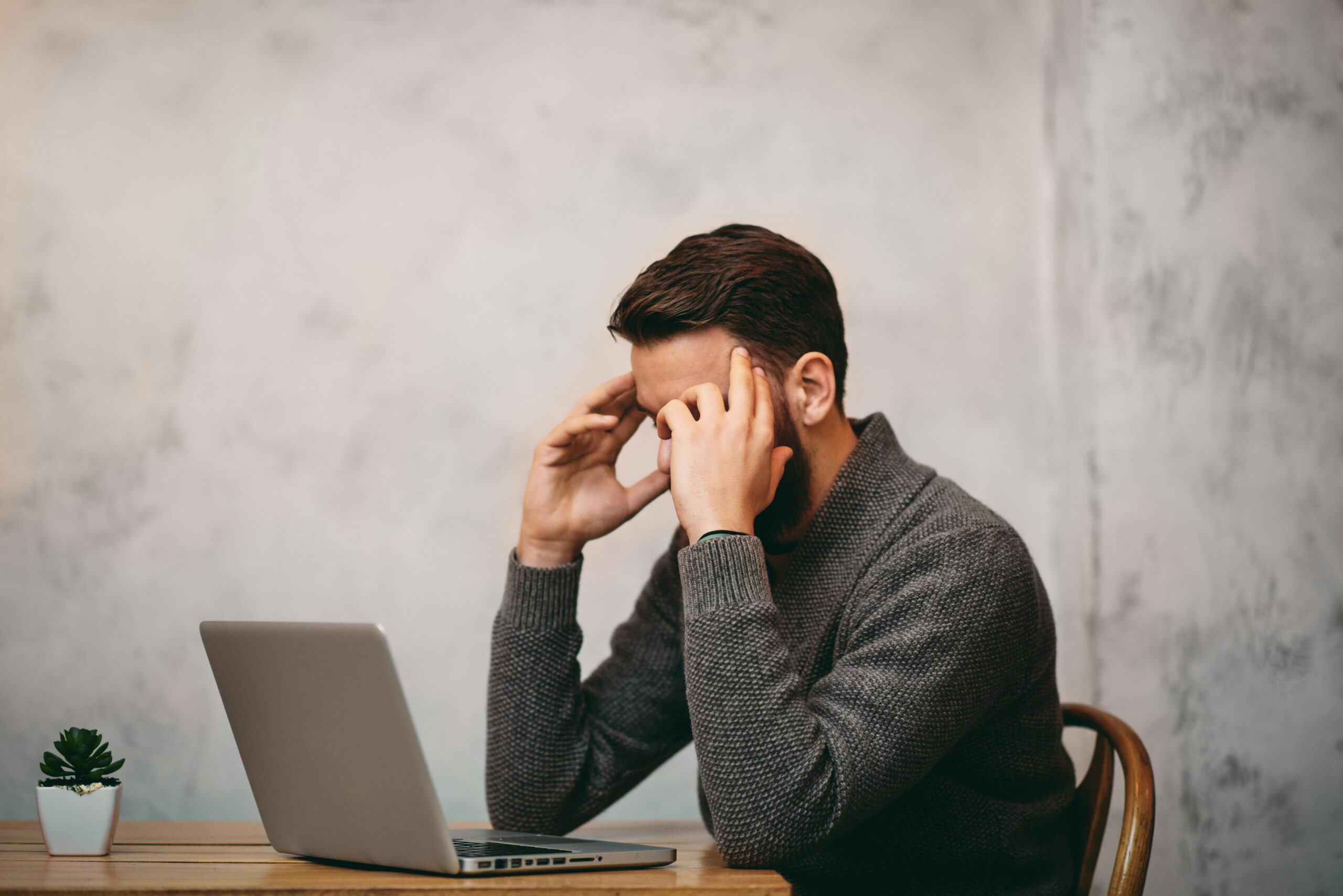
Neck pain is a common issue that affects many people, and while it is often associated with poor posture, injuries, or physical strain, stress can also play a significant role. Emotional stress does not just affect your mood; it can create physical changes in the body that contribute to muscle tension, discomfort, and ongoing neck pain.
Understanding the connection between stress and neck pain can help you recognize the causes of your discomfort and find effective ways to manage symptoms. By addressing both physical and emotional factors, many people can reduce pain and improve their overall quality of life.
How Stress Affects the Body
When you experience stress, your body responds by activating its natural “fight or flight” response. This reaction prepares your body to handle a perceived threat by increasing heart rate, releasing stress hormones, and creating muscle tension.
While this response can be helpful in short-term situations, ongoing stress can cause the body to remain in a heightened state of tension. Over time, this constant muscle activation can contribute to stiffness, soreness, and discomfort, especially in areas like the neck and shoulders.
Why Stress Often Causes Neck Pain
The muscles in the neck and upper shoulders are especially vulnerable to stress-related tension. When people feel anxious, overwhelmed, or under pressure, they often unconsciously tighten these muscles.
Stress-related neck pain may develop because of:
- Increased muscle tension
- Tightness in the shoulders and upper back
- Poor posture during stressful activities
- Reduced movement or activity
- Changes in sleep patterns
Many people carry stress physically in their neck and shoulders without realizing it.
Muscle Tension and Trigger Points
One of the most common ways stress contributes to neck pain is through muscle tension. When muscles stay contracted for long periods, they can become fatigued and irritated.
Over time, tight muscles may develop trigger points, which are sensitive areas that can cause pain in the neck, shoulders, and even the head.
This may lead to symptoms such as:
- Aching or soreness
- Stiffness
- Limited range of motion
- Headaches
- Pain that worsens throughout the day
Reducing muscle tension is an important part of managing stress-related neck discomfort.
Stress, Posture, and Neck Pain
Stress can also affect the way you hold your body. When people are stressed, they may hunch forward, raise their shoulders, or spend more time looking down at phones or computers. This posture places additional strain on the muscles and joints of the neck. Over time, poor posture combined with stress-related tension can contribute to conditions like “tech neck,” where prolonged screen use leads to neck stiffness and discomfort. Being aware of posture throughout the day can help reduce unnecessary strain.
The Impact of Stress on Sleep
Stress often affects sleep quality, and poor sleep can make neck pain worse. When the body does not get enough rest, muscles may not fully recover, and the ability to manage pain may decrease.
Stress can contribute to:
- Difficulty falling asleep
- Restless sleep
- Muscle tension while sleeping
- Waking up with stiffness
A consistent sleep routine and proper support from pillows and sleeping positions can help reduce neck discomfort.


Stress Can Increase Pain Sensitivity
Stress does not only contribute to physical tension, it can also influence how the brain processes pain. When stress levels remain high, the nervous system may become more sensitive, making discomfort feel more intense. This means that even minor muscle tightness or irritation may feel more painful during periods of increased stress. Managing stress can be an important part of improving how the body responds to pain.
Ways to Reduce Stress-Related Neck Pain
The best approach to managing stress-related neck pain often involves addressing both the physical symptoms and the underlying stress.
Helpful strategies include:
Stretching and Movement
Gentle stretching and regular movement can help relax tight muscles and improve circulation. Simple neck, shoulder, and upper back stretches may help reduce stiffness. Avoid staying in one position for long periods, especially when working at a desk or using electronic devices.
Exercise
Regular physical activity can help reduce stress hormones, improve muscle strength, and support overall health. Activities such as walking, yoga, swimming, or strength training may help decrease tension and improve posture.
Relaxation Techniques
Stress management techniques can help calm the nervous system and reduce muscle tension. Deep breathing exercises, meditation, and mindfulness practices may help the body relax.
Improving Work Habits
If you spend long hours at a computer, making ergonomic adjustments can help reduce strain.
Consider:
- Keeping screens at eye level
- Supporting good posture
- Taking regular movement breaks
- Adjusting your chair and workspace
Small changes can make a noticeable difference in neck comfort.
How Physical Therapy Can Help
If stress-related neck pain continues or interferes with daily activities, physical therapy may provide relief. A physical therapist can evaluate your posture, movement patterns, muscle strength, and flexibility to identify contributing factors.
Physical therapy may include:
- Stretching and mobility exercises
- Strengthening exercises
- Posture correction
- Manual therapy
- Education on body mechanics
A personalized treatment plan can help reduce pain, improve movement, and prevent future problems.
When to Seek Professional Care
While stress-related neck pain is common, some symptoms may require medical evaluation. Contact a healthcare professional if you experience:
- Severe or worsening pain
- Numbness or tingling
- Weakness in the arms or hands
- Pain after an injury
- Neck pain that does not improve
Early treatment can help prevent discomfort from becoming a chronic issue.
Stress and neck pain are closely connected. Emotional stress can cause muscle tension, affect posture, disrupt sleep, and increase sensitivity to discomfort. By understanding this connection, you can take steps to manage stress while supporting better neck health. Through regular movement, stress management, healthy habits, and professional support from our team at Pick PT when needed, you can reduce neck pain and improve your ability to move comfortably throughout your day.