

Pain that starts in your lower back or hip and travels down your leg can make everyday activities feel frustrating and unpredictable. Whether you’re sitting at work, driving, exercising, or simply walking around the house, radiating leg pain can interfere with nearly every part of your day.
Two of the most common conditions associated with this type of pain are sciatica and piriformis syndrome. While they often share similar symptoms, they have different causes, and understanding the difference is an important first step toward finding lasting relief.
What Is Sciatica?
Sciatica isn’t actually a diagnosis itself. It’s a term used to describe irritation or compression of the sciatic nerve, the largest nerve in the body. This nerve begins in the lower spine and travels through the hips, buttocks, and down each leg.
When the sciatic nerve becomes compressed, it can cause symptoms such as:
- Sharp, shooting pain that travels down one leg
- Tingling or “pins and needles”
- Numbness
- Muscle weakness
- Pain that worsens when sitting, coughing, or sneezing
Sciatica is most commonly caused by conditions affecting the spine, including:
- Herniated discs
- Degenerative disc disease
- Spinal stenosis
- Bone spurs
- Spondylolisthesis
Because the source of the irritation is often in the lower back, treatment typically focuses on reducing pressure on the nerve while improving spinal mobility and strength.
What Is Piriformis Syndrome?
Piriformis syndrome occurs when the piriformis muscle, a small muscle located deep in the buttock, irritates or compresses the sciatic nerve.
The piriformis helps stabilize the hip and allows your leg to rotate outward. If the muscle becomes tight, inflamed, or goes into spasm, it can press against the nearby sciatic nerve, creating symptoms that closely resemble sciatica.
Common symptoms include:
- Deep pain in the buttock
- Pain that radiates down the back of the leg
- Increased discomfort after prolonged sitting
- Pain when climbing stairs or running
- Tenderness over the buttock
Unlike spinal sciatica, piriformis syndrome typically begins in the hip or buttock rather than the lower back.
Sciatica vs. Piriformis Syndrome: What’s the Difference?
Although both conditions can cause radiating leg pain, there are several important distinctions.
Sciatica
- Usually caused by spinal problems
- Lower back pain is common
- Symptoms may worsen with bending or coughing
- May include muscle weakness or changes in reflexes
- Often confirmed with imaging when necessary
Piriformis Syndrome
- Caused by irritation of the piriformis muscle
- Buttock pain is often the primary complaint
- Symptoms often worsen after sitting or performing certain hip movements
- Usually causes localized tenderness in the buttock
- Primary diagnosed through a physical examination
It’s also possible for someone to experience both conditions simultaneously, which is why a thorough evaluation is so important.

Why an Accurate Diagnosis Matters
Because the symptoms overlap so much, many people assume any pain traveling down the leg is “just sciatica.” However, treating the wrong condition can delay recovery.
For example:
- Stretching the piriformis muscle may help someone with piriformis syndrome but could aggravate certain spinal conditions.
- Focusing only on the lower back may not resolve symptoms if the source is actually a tight hip muscle.
- Ignoring muscle weakness or numbness could allow a spinal condition to worsen.
A licensed physical therapist evaluates how your spine, hips, muscles, nerves, and movement patterns all work together to identify the true source of your pain.
How Physical Therapy Can Help
The good news is that both sciatica and piriformis syndrome often respond very well to conservative treatment.
After a comprehensive evaluation, your physical therapist will create a personalized treatment plan that may include:
Manual Therapy
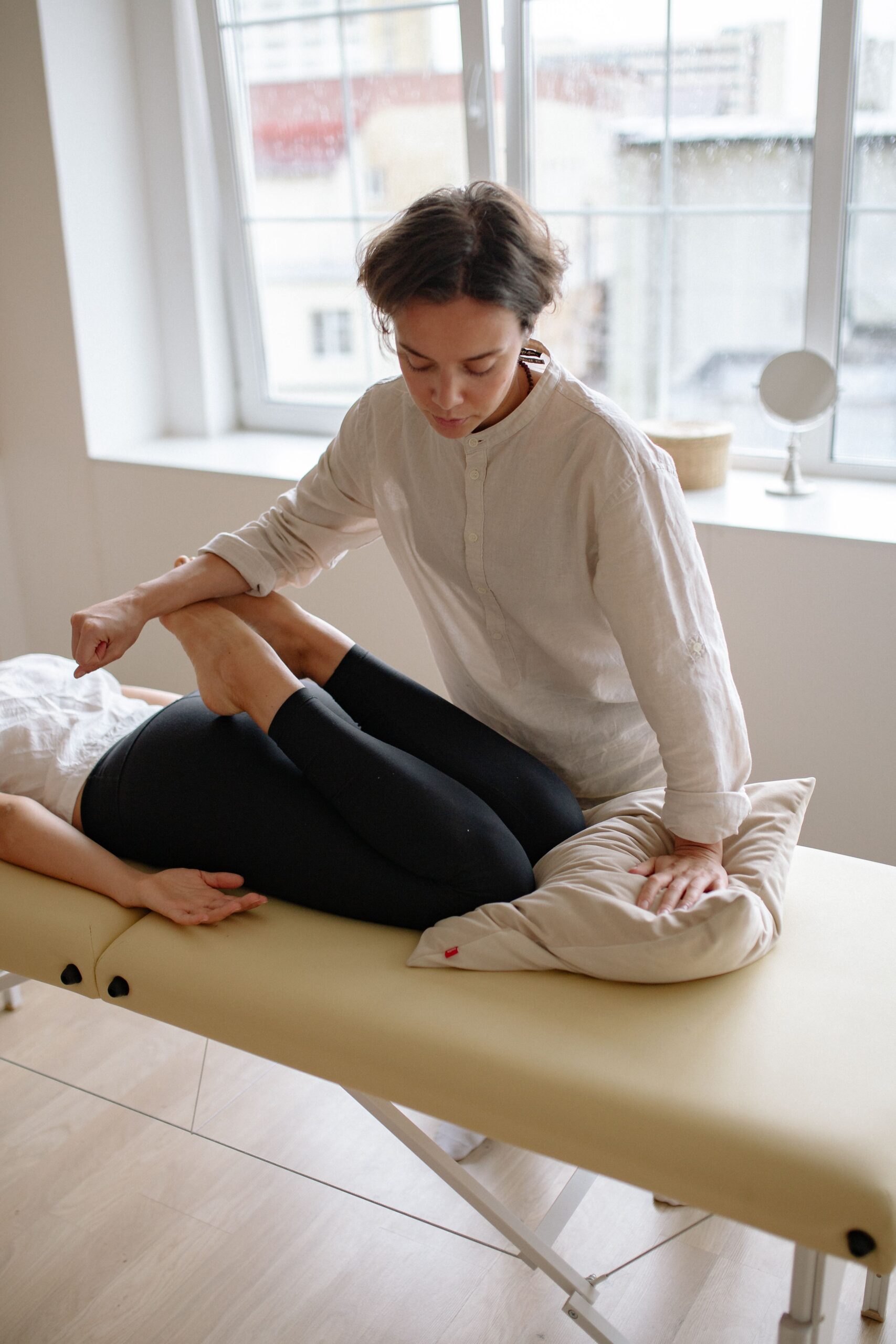
Hands-on techniques can help reduce muscle tension, improve joint mobility, and relieve pressure on irritated tissues.
Targeted Stretching
Gentle stretching can improve flexibility in tight muscles surrounding the hips, pelvis, and lower back without placing unnecessary stress on the affected nerve.
Strengthening Exercises
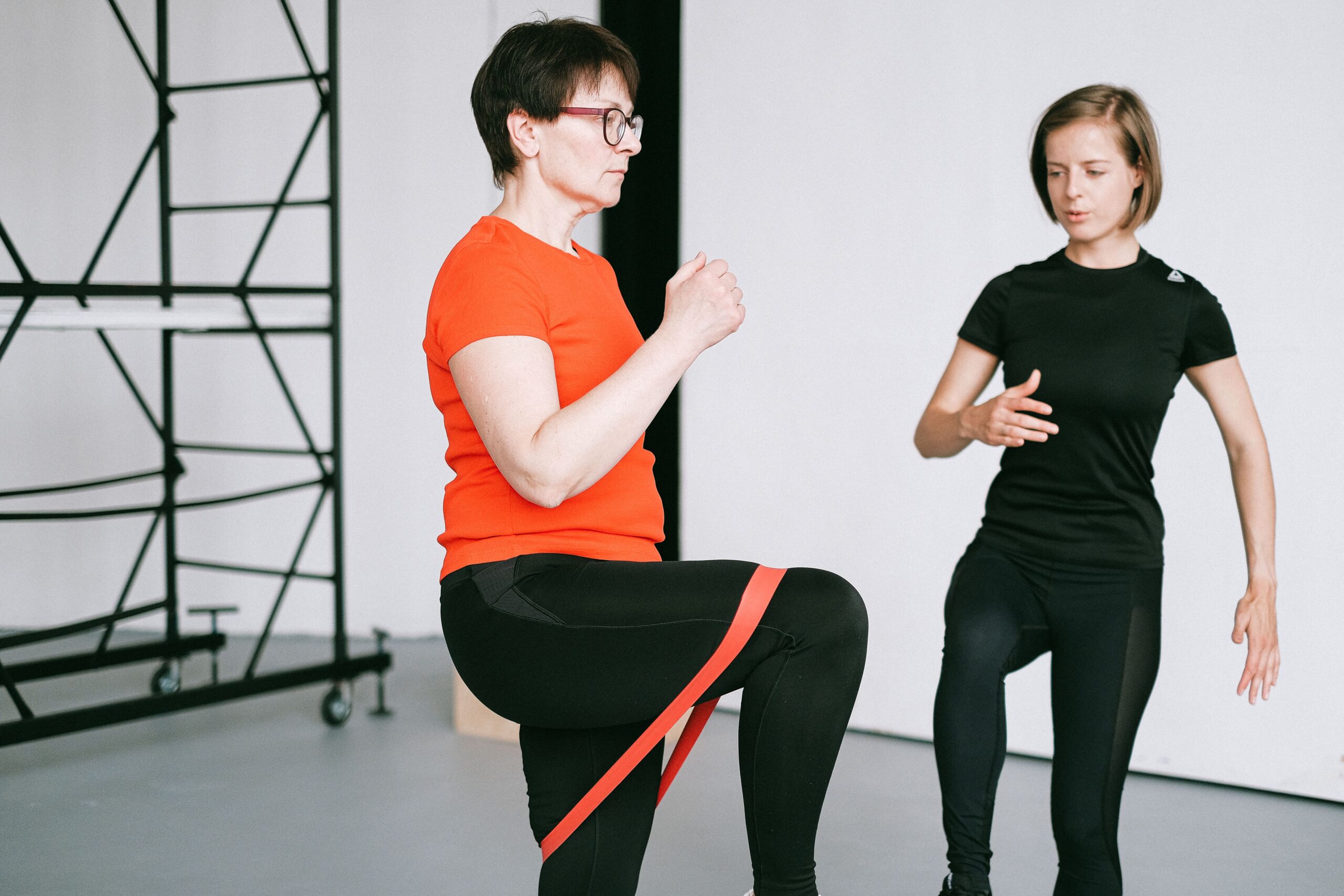
Weak core, hip, and glute muscles often contribute to poor movement patterns. Strengthening these areas helps improve stability and reduce strain on the sciatic nerve.
Movement Retraining
Your therapist may assess how you walk, sit, lift, or perform daily activities to identify habits that contribute to recurring pain.
Education for Long-Term Relief
Learning proper posture, body mechanics, and home exercises can help prevent symptoms from returning after treatment.

When Should You See a Physical Therapist?
You don’t have to wait until the pain becomes severe before seeking care.
Consider scheduling an evaluation if you experience:
- Pain that radiates into the leg for more than a few days
- Persistent buttock pain that limits activity
- Difficulty sitting comfortably
- Tingling or numbness that doesn’t improve
- Pain that keeps returning despite rest
- Trouble walking, exercising, or completing daily tasks
Early treatment can often shorten recovery time and reduce the likelihood of chronic pain.
Seek immediate medical attention if you experience sudden loss of bowel or bladder control, significant leg weakness, numbness in the groin area, or severe pain following a major injury, as these symptoms may indicate a medical emergency.
Find the Source of Your Pain
Whether your symptoms stem from sciatica, piriformis syndrome, or another condition entirely, identifying the root cause is the key to lasting relief. Rather than simply masking symptoms, physical therapy focuses on improving movement, reducing pain, and helping you return to the activities you enjoy.
At Pick PT, our experienced physical therapists perform thorough evaluations to determine the cause of your pain and develop an individualized treatment plan to help you recover safely and confidently.
If pain is traveling from your back or hip into your leg, don’t settle for guessing. Schedule an evaluation with Pick PT today and take the first step toward moving comfortably again.