


Hip flexor pain can be confusing because the discomfort may not always feel like it is coming directly from the hip. The hip flexors are a group of muscles at the front of the hip that help you lift your leg, walk, climb stairs, run, and get up from a chair. When these muscles become irritated or strained, pain can show up in several areas around the hip and upper leg.
If you are experiencing pain near the front of your hip or groin, especially when moving your leg, your hip flexors may be involved. Learning where this pain usually occurs helps you spot the issue and decide if you should see a professional.
Where Do You Feel Hip Flexor Pain?
Hip flexor pain is most commonly felt at the front of the hip, near the crease where your leg meets your torso. You may notice discomfort when bringing your knee toward your chest, walking, running, or getting out of a chair.
Pain can also spread into nearby areas. Some people feel discomfort in the upper thigh or groin, while others notice aching closer to the lower abdomen or pelvis.
The location can vary depending on which muscles or tissues are irritated and what caused the problem. Because of this, feeling pain at the front of your hip does not necessarily mean you have a strain. Other conditions can cause similar symptoms.
What Does Hip Flexor Pain Feel Like?
Hip flexor pain can feel different depending on the severity and cause of the problem. A mild irritation may cause an ache or tight feeling, while a more significant strain can result in sharper pain.
Common symptoms may include:
- Aching at the front of the hip
- Pain in the groin or upper thigh
- Tightness when standing upright
- Discomfort when lifting your knee
- Pain when walking, running, or climbing stairs
- Tenderness around the front of the hip
- Weakness when lifting the leg
- Pain after sitting for a long period of time
You may also notice that certain movements make your symptoms worse. Running, kicking, jumping, lunging, or repeatedly lifting the legs can put additional stress on the hip flexors.
What Causes Hip Flexor Pain?
Hip flexor problems are often associated with activities that require repeated or forceful hip movement. Athletes who run, kick, jump, or change direction frequently may be more likely to experience irritation in these muscles.
However, you do not have to be an athlete to develop hip flexor pain. A sudden increase in physical activity, an awkward movement, poor movement mechanics, or muscle weakness can all contribute.
Spending long periods sitting can also affect how the muscles around your hips move and function. If your hip flexors become tight or other muscles around the hip and core are not providing enough support, certain activities may place more stress on the area.

Is Hip Flexor Pain Always a Muscle Strain?
No. Pain at the front of the hip can have several possible causes. Hip joint problems, tendon irritation, muscle strains, and other conditions can produce similar symptoms.
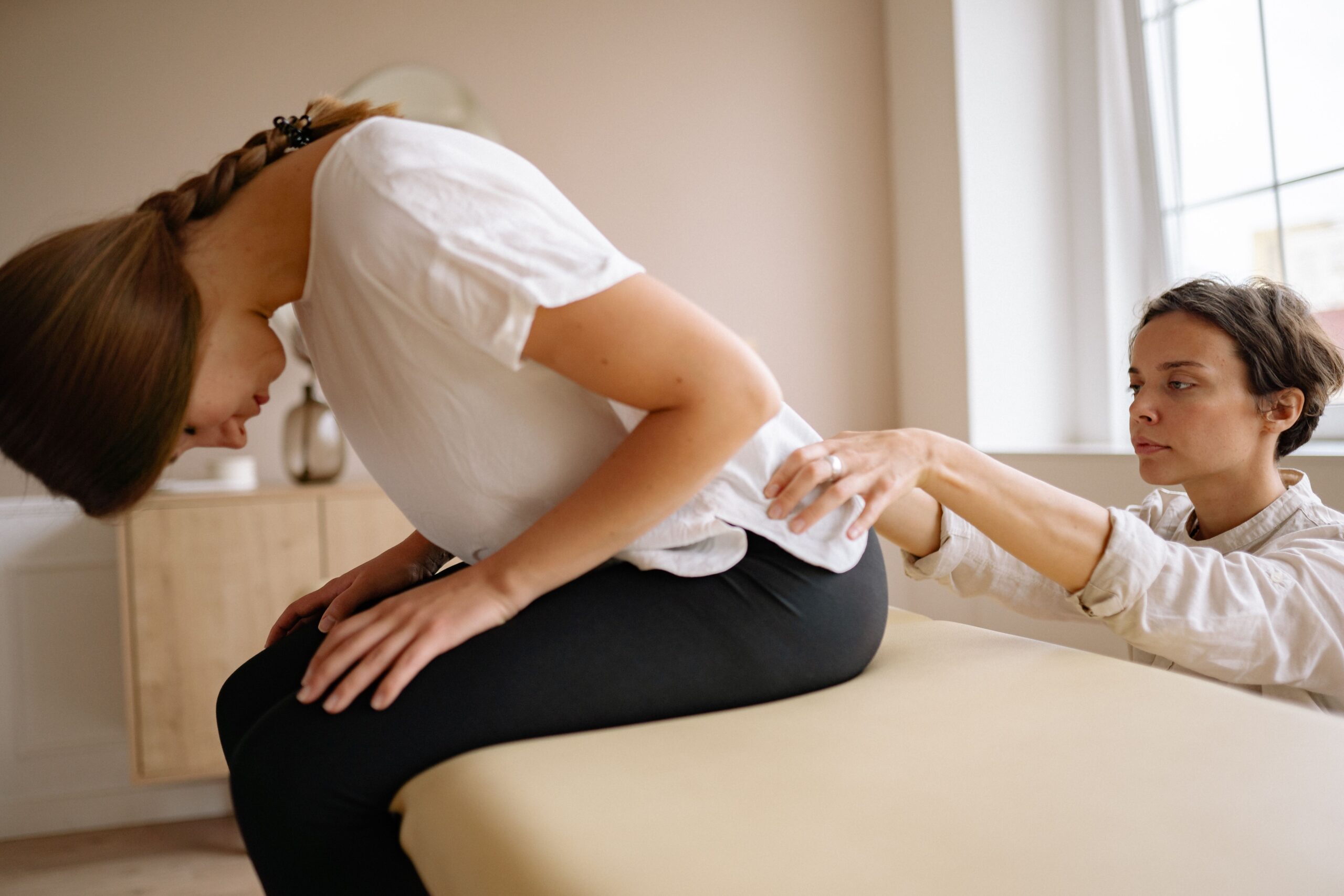
This is one reason it is important not to assume that every type of hip pain is simply a tight or strained hip flexor. A physical therapist can evaluate your symptoms and movement to help determine what may be contributing to your discomfort.
Your therapist may look at your hip strength, flexibility, range of motion, walking pattern, and how your hips and legs work together during different activities.
How Can Physical Therapy Help Hip Flexor Pain?
Physical therapy can be helpful for people dealing with hip flexor pain because treatment can address more than just the location of the discomfort.
Your physical therapist can create a treatment plan based on your symptoms, activity level, and goals. Treatment may include exercises, mobility work, hands-on techniques, and guidance for safely returning to your normal activities.
Strengthening the Muscles Around the Hip
The hip relies on several muscles working together. If certain muscles are weak, other tissues may have to work harder to compensate.
A physical therapist can recommend exercises designed to strengthen the hip flexors, glutes, core, and other supporting muscles. Building strength gradually can improve how your hip handles everyday activities and exercise.
Improving Flexibility and Mobility
Limited hip mobility may contribute to discomfort during certain movements. Your physical therapist can show you stretches and mobility exercises that are appropriate for your condition.
Improving mobility can make activities such as walking, squatting, climbing stairs, and exercising more comfortable.
Returning to Activity Safely
If your hip flexor pain began after an injury or a spike in activity, returning to your normal routine too quickly could cause your symptoms to flare up again. Physical therapy can help you gradually rebuild strength and tolerance.
Your therapist can help you determine when and how to increase your activity so you can work toward your normal routine without unnecessarily irritating the area.

When Should You Get Help for Hip Pain?
Mild soreness may improve with rest and activity modification. However, persistent pain should not be ignored, particularly if it interferes with walking, exercise, sleep, work, or everyday activities.
You should also consider getting evaluated if your pain continues to return or if you are unsure what is causing it. A proper evaluation can help identify the source of your symptoms and determine the best approach for recovery.
Get Back to Moving Comfortably
So, where is hip flexor pain felt? Most commonly, it is felt at the front of the hip and may extend into the groin or upper thigh. But because several conditions can cause pain in these areas, identifying the exact source is important.
Physical therapy can help you understand what may be contributing to your pain while giving you a plan to improve strength, mobility, and function. If hip pain is keeping you from the activities you enjoy, the team at Pick PT can help you work toward getting back to moving comfortably.