

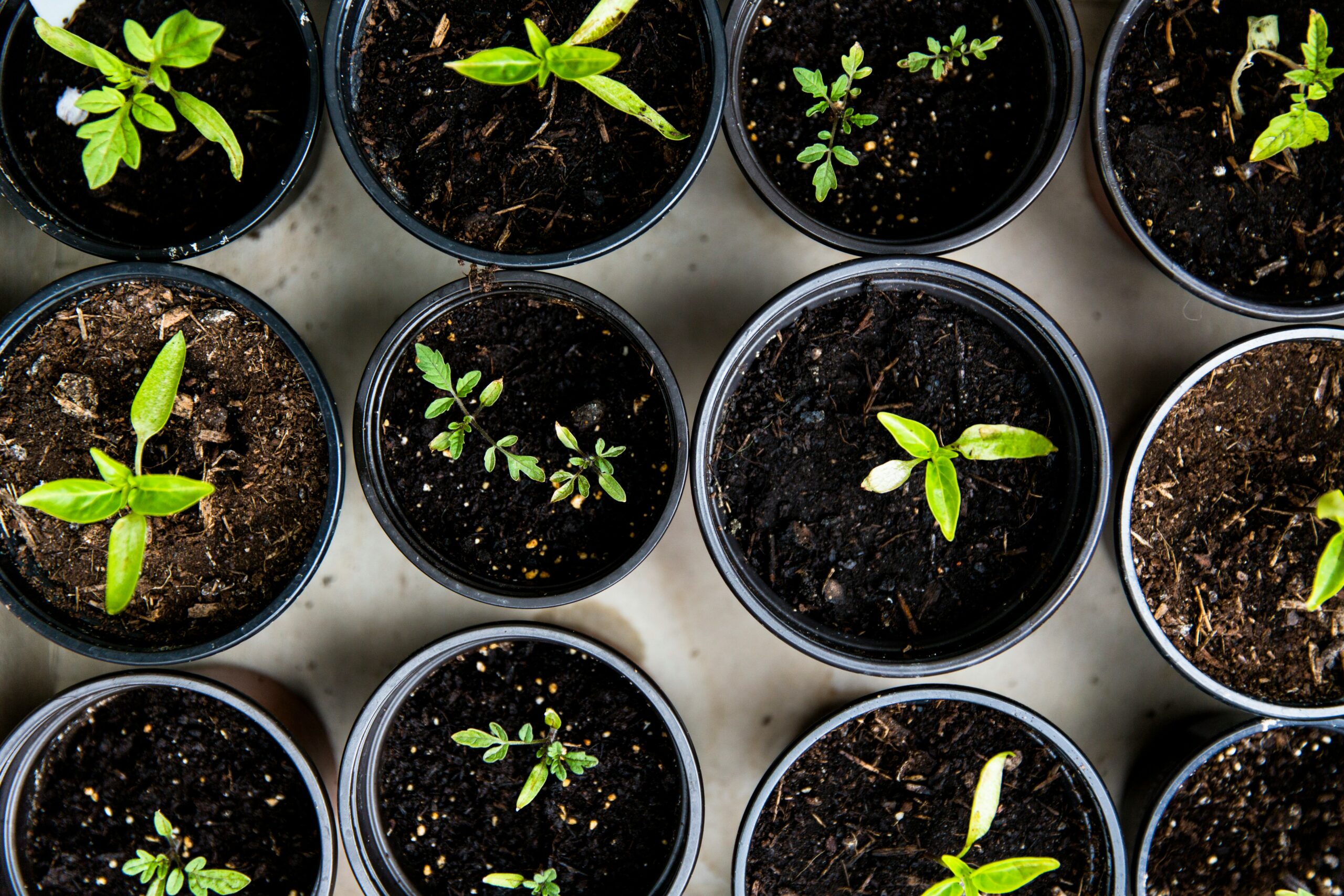
Gardening is a rewarding hobby that allows people to spend time outdoors, stay active, and enjoy the benefits of working with nature. From planting flowers to maintaining a vegetable garden, gardening provides physical activity and a sense of accomplishment. However, many common gardening tasks involve bending, lifting, twisting, and kneeling, which can place stress on the back and contribute to discomfort or injury.
For individuals who already experience back pain, gardening may feel challenging. The good news is that with proper techniques, body mechanics, and preparation, you can continue enjoying your garden while protecting your spine.
Why Gardening Can Cause Back Pain
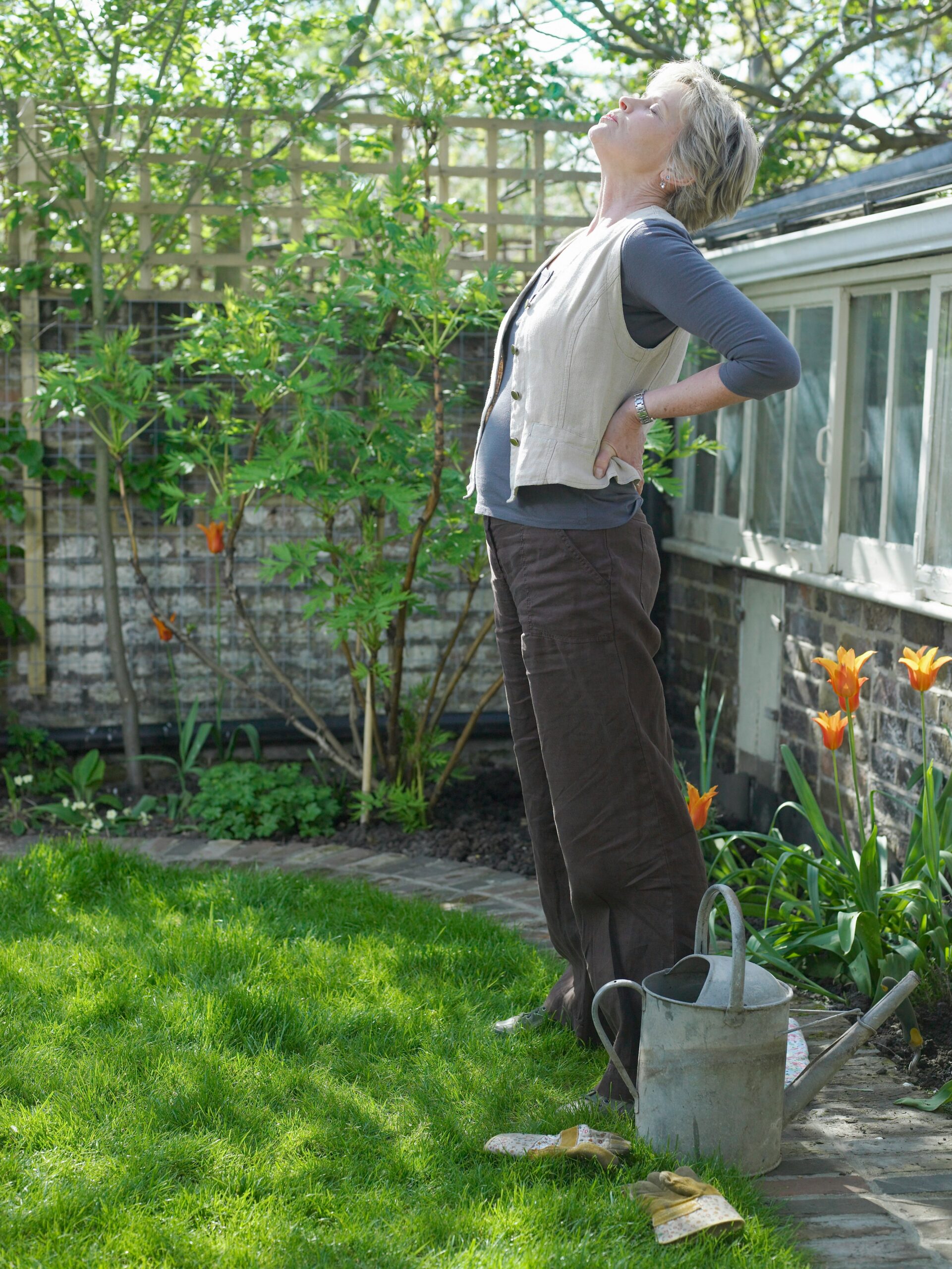
Gardening often requires repetitive movements that can strain the muscles, joints, and ligaments of the lower back. Many people spend hours leaning forward while planting, pulling weeds, or tending to plants without realizing how much stress they are placing on their spine.
Common gardening activities that may contribute to back pain include:
- Bending over for long periods
- Lifting heavy bags of soil or mulch
- Carrying watering cans or tools
- Twisting while digging or reaching
- Sitting or kneeling in awkward positions
- Repeating the same movements for extended periods
Over time, these motions can lead to muscle fatigue, stiffness, and increased irritation in the back.
Warm Up Before Gardening
Many people treat gardening like a casual activity and skip preparation, but gardening can be physically demanding. Just like exercise, your body benefits from warming up before beginning.
A few simple movements before gardening can help prepare your muscles and joints, such as:
- Gentle walking
- Stretching the legs and back
- Shoulder rolls
- Hip movements
- Light mobility exercises
Warming up increases blood flow and helps reduce the risk of straining your muscles while working outdoors.
Use Proper Lifting Techniques
One of the biggest causes of gardening-related back pain is lifting heavy objects incorrectly. Bags of soil, planters, rocks, and gardening equipment can be surprisingly heavy.
To protect your back when lifting:
- Bend at your knees instead of your waist
- Keep the item close to your body
- Avoid twisting while lifting
- Use your legs to push upward
- Ask for help with heavy objects
Using proper lifting techniques reduces stress on the lower back and helps prevent injury.
Avoid Long Periods of Bending
Spending a long time bent forward while gardening can place extra pressure on the lower back. Instead of staying in one position for extended periods, try changing positions regularly.
Helpful strategies include:
- Use a gardening stool or kneeling pad
- Raise plants using elevated garden beds
- Alternate between standing, sitting, and kneeling
- Take frequent breaks to stretch
Small adjustments can make gardening much more comfortable and reduce strain on your spine.
Strengthen Your Core and Back Muscles
A strong core helps support the spine and improves stability during daily activities, including gardening. Weak abdominal and back muscles can make it harder for your body to handle repetitive movements.
Exercises that may help support gardening activities include:
- Gentle core strengthening
- Walking
- Stretching
- Balance exercises
- Low-impact strength training
Maintaining overall strength and flexibility can make gardening easier and reduce the likelihood of discomfort.
Take Breaks and Listen to Your Body
Many gardening injuries happen because people try to complete too much work at once. It can be easy to lose track of time while working outside, but overdoing it can lead to soreness and pain.
Try to:
- Take regular breaks
- Drink plenty of water
- Switch tasks often
- Avoid pushing through sharp pain
- Stop when your body needs rest
Gardening should be enjoyable, not something that leaves you struggling with pain afterward.
Use Tools That Reduce Strain
The right tools can make gardening easier on your back. Many gardening products are designed to reduce bending, reaching, and lifting.
Consider using:
- Long-handled gardening tools
- Lightweight equipment
- Raised garden beds
- Rolling garden carts
- Ergonomic handles
Making your gardening setup more accessible can reduce unnecessary stress on your body.
How Physical Therapy Can Help Gardening-Related Back Pain
If back pain is interfering with your ability to garden or enjoy daily activities, physical therapy may help. A physical therapist with our team at Pick PT can evaluate your movement patterns, identify areas of weakness or limited mobility, and create a personalized treatment plan.
Physical therapy may focus on:
- Improving flexibility
- Strengthening supporting muscles
- Reducing pain
- Correcting movement patterns
- Teaching proper body mechanics
A therapist can also provide guidance on how to safely return to gardening after an injury. Contact us if you want some guidance and assistance with your back pain.
When to Seek Help for Back Pain
Some soreness after gardening is normal, especially after a long day of activity. However, ongoing or worsening pain may require professional attention.
Consider speaking with a healthcare provider if you experience:
- Pain that does not improve with rest
- Numbness or tingling
- Weakness in the legs
- Difficulty with normal activities
- Severe or sudden pain
Early treatment can help prevent a minor issue from becoming a long-term problem.
Gardening is a great way to stay active, spend time outdoors, and enjoy a fulfilling hobby. However, the bending, lifting, and repetitive movements involved can contribute to back pain if proper precautions are not taken. By warming up, using proper lifting techniques, taking breaks, strengthening your body, and paying attention to your posture, you can protect your spine and continue enjoying your garden. If back pain is limiting your ability to participate in activities you love, Pick PT can provide the support and guidance needed to move comfortably again.