

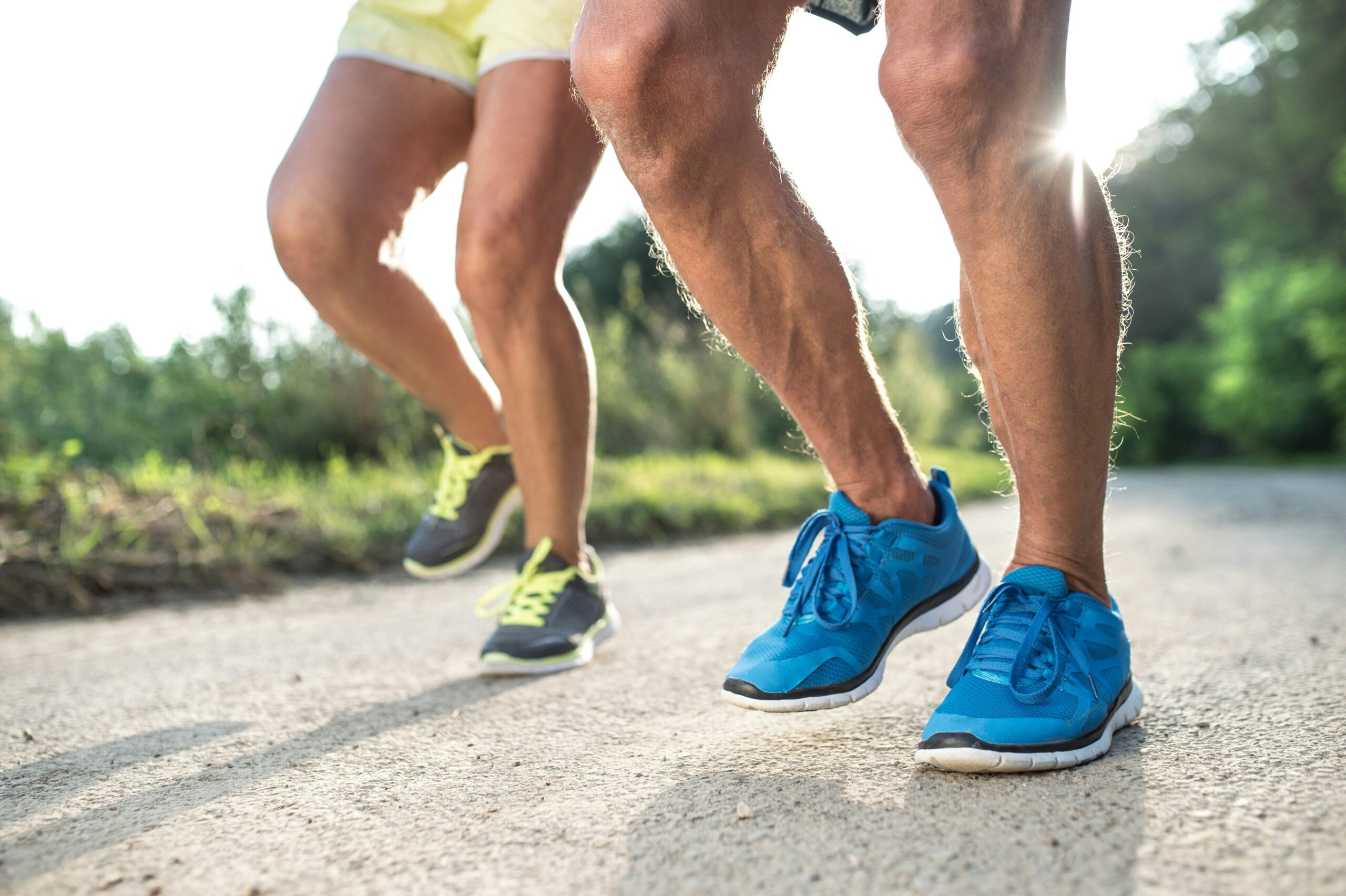
Runner’s knee is one of the most common causes of knee pain among athletes and active individuals. Despite its name, runner’s knee does not only affect runners. It can also occur in people who participate in activities that place repeated stress on the knees, such as walking, cycling, jumping, or squatting. The condition can make daily movement uncomfortable and may interfere with exercise, sports, and even simple tasks like climbing stairs.
Understanding the causes, symptoms, and treatment options for runner’s knee can help individuals recover more effectively and prevent future flare-ups.
What Is Runner’s Knee?
Runner’s knee is the common term for patellofemoral pain syndrome, a condition that causes pain around or behind the kneecap. The pain occurs when the kneecap does not move properly within the groove of the thigh bone during movement, leading to irritation of the surrounding tissues. The condition typically develops gradually over time rather than from a single injury. Repetitive stress on the knee joint often contributes to inflammation and discomfort.
Common Causes of Runner’s Knee
Several factors can contribute to the development of runner’s knee. Overuse is one of the most common causes, especially when activity levels increase too quickly without proper conditioning or recovery.
Other contributing factors may include:
- Weak hip or thigh muscles
- Tight hamstrings or calf muscles
- Poor running mechanics
- Flat feet or improper footwear
- Muscle imbalances
- Repetitive jumping or squatting motions
- Poor alignment of the kneecap
Because the knee relies on support from surrounding muscles and joints, weakness or tightness in other areas of the body can place additional stress on the kneecap.
Symptoms of Runner’s Knee
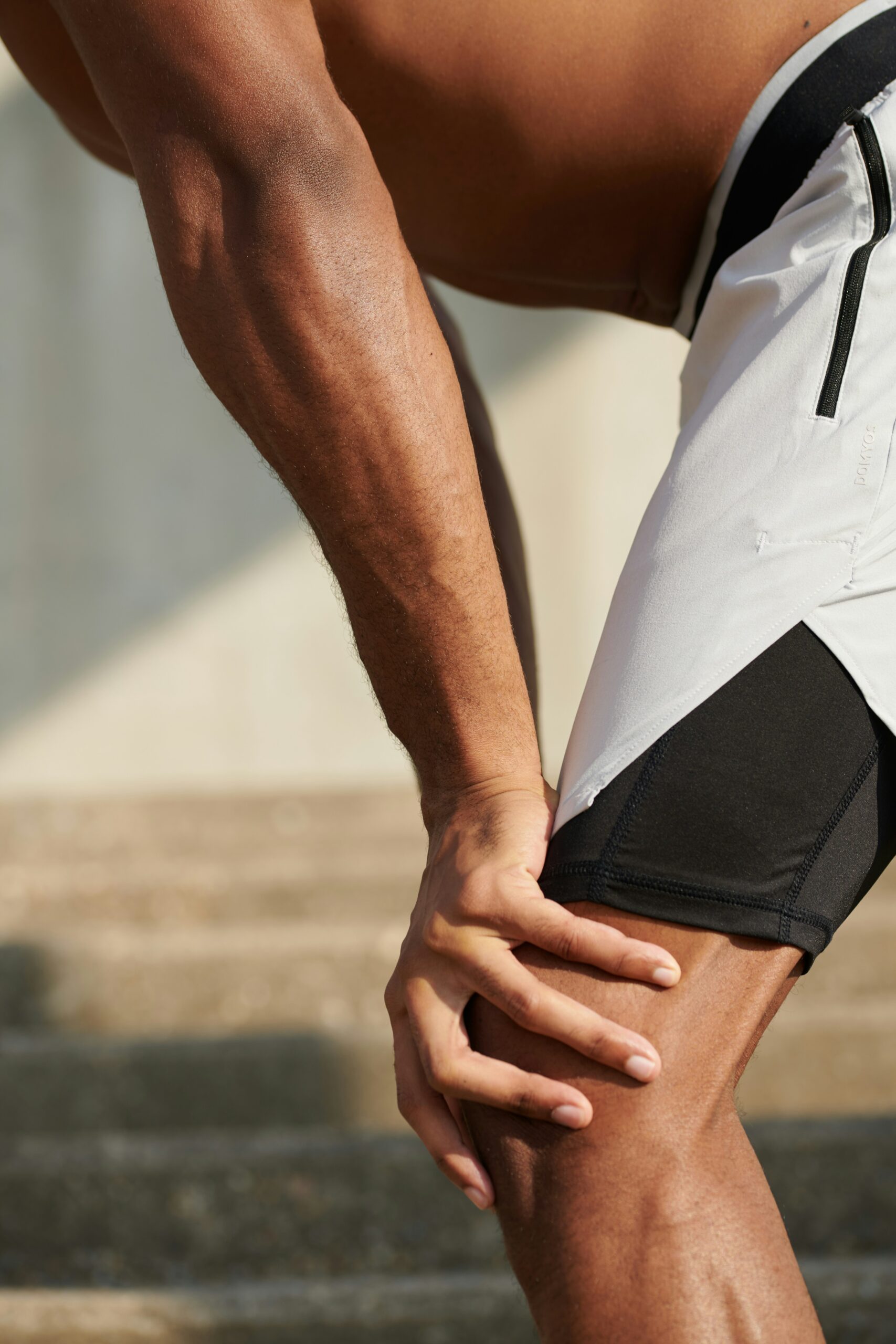
The most common symptom of runner’s knee is a dull, aching pain around the front of the knee or behind the kneecap. Pain often becomes more noticeable during activities that bend the knee repeatedly.
Common symptoms include:
- Pain while running or exercising
- Discomfort when climbing stairs
- Knee pain after sitting for long periods
- Popping or grinding sensations in the knee
- Mild swelling around the kneecap
- Increased pain when squatting or kneeling
Symptoms may start gradually and worsen over time if the underlying issue is not addressed.
How Runner’s Knee Is Diagnosed
A healthcare provider or physical therapist can usually diagnose runner’s knee through a physical examination and discussion of symptoms and activity levels. They may evaluate strength, flexibility, posture, walking patterns, and knee alignment to identify contributing factors. In some cases, imaging tests such as X-rays or MRIs may be recommended to rule out other knee conditions or injuries.
Treatment Options for Runner’s Knee
Most cases of runner’s knee improve with conservative treatment and do not require surgery. Early treatment can help reduce pain and prevent symptoms from becoming chronic.
Rest and Activity Modification
Reducing activities that worsen pain is often one of the first steps in recovery. This does not always mean complete rest, but it may involve temporarily avoiding high-impact exercises such as running or jumping. Low-impact activities like swimming or cycling may be recommended while the knee heals.
Ice and Anti-Inflammatory Measures
Applying ice to the knee can help reduce inflammation and discomfort, especially after activity. Some individuals may also benefit from anti-inflammatory medications if recommended by a healthcare provider.
Physical Therapy
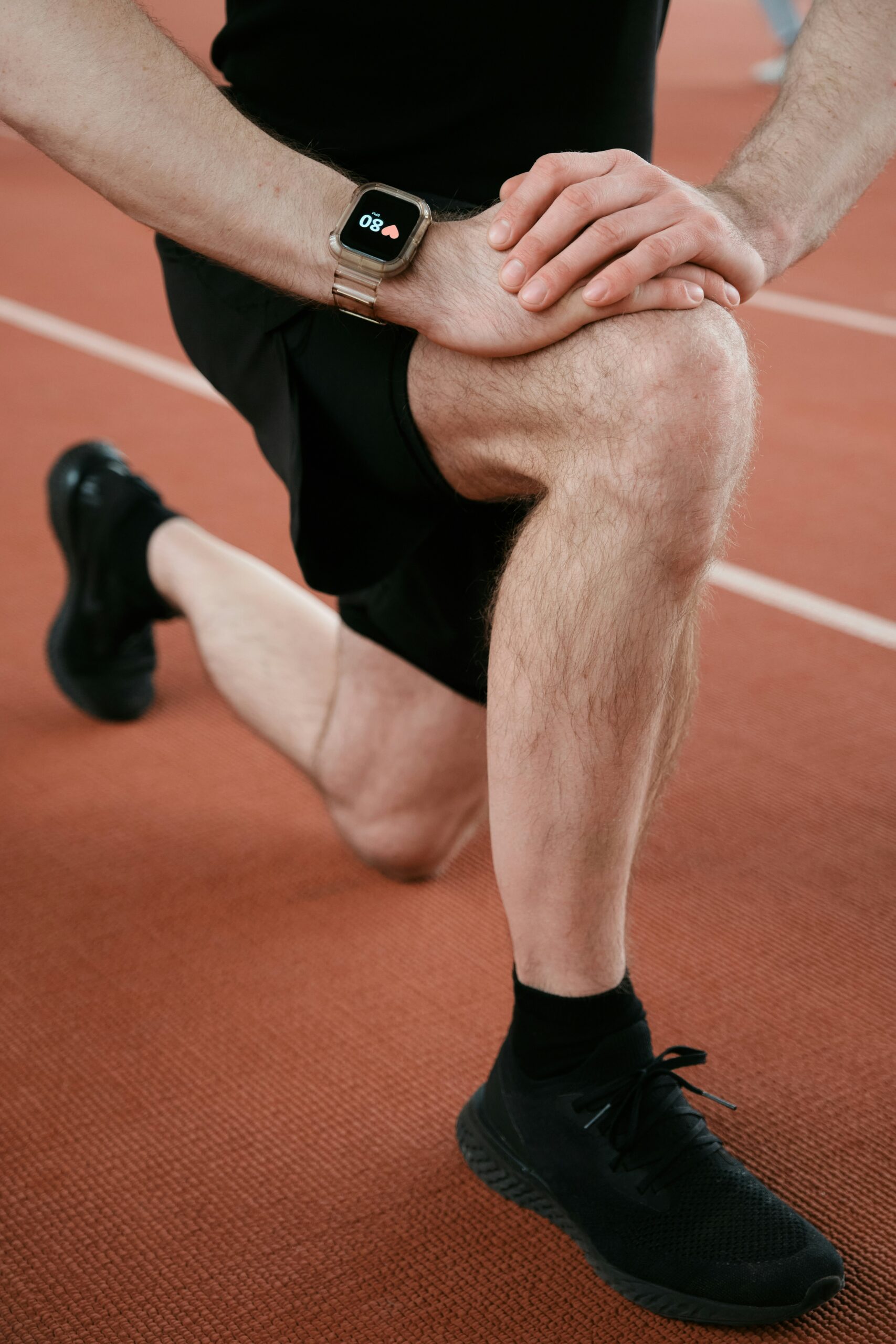
Physical therapy is one of the most effective treatments for runner’s knee. A physical therapist can create a personalized program focused on strengthening weak muscles, improving flexibility, and correcting movement patterns that contribute to pain. Exercises often target the hips, thighs, core, and lower legs to improve knee stability and alignment. Stretching tight muscles can also reduce stress on the kneecap.
Proper Footwear and Support
Wearing supportive shoes that fit properly can help improve alignment and reduce stress on the knees. In some cases, orthotics or shoe inserts may be recommended to correct foot mechanics and provide additional support.
Gradual Return to Activity
Returning to exercise too quickly can increase the risk of reinjury. It is important to gradually increase activity levels while continuing strengthening and stretching exercises to support long-term recovery.
Preventing Runner’s Knee
Preventing runner’s knee often involves maintaining proper strength, flexibility, and movement mechanics. Helpful prevention strategies include:
- Warming up before exercise
- Stretching regularly
- Strengthening the hips and legs
- Wearing supportive footwear
- Avoiding sudden increases in training intensity
- Using proper exercise form
- Allowing time for recovery between workouts
Listening to your body and addressing pain early can also help prevent symptoms from worsening.
At Pick PT, we know that runner’s knee is a common condition that can affect athletes and non-athletes alike. While it can be frustrating and painful, most people improve with proper treatment, activity modifications, and strengthening exercises. Addressing symptoms early and focusing on muscle balance, flexibility, and proper movement can help individuals recover more quickly and reduce the risk of future knee pain. With the right approach, many people are able to return to their normal activities and continue staying active without long-term problems.