
Low back pain is one of the most common health complaints among adults and can affect people of all ages and activity levels. Whether it is caused by poor posture, muscle strain, injury, or long hours of sitting, back pain can interfere with daily activities, work, exercise, and overall quality of life. While severe cases may occasionally require surgery, many people can successfully manage and improve low back pain with non-surgical treatments.
In many cases, conservative treatment methods can reduce pain, improve mobility, and help individuals return to normal activities without invasive procedures. Understanding the available treatment options can help you make informed decisions about managing low back pain safely and effectively.
Stay Active and Keep Moving
When back pain occurs, many people assume complete bed rest is the best solution. However, staying inactive for long periods can actually make symptoms worse. Gentle movement and light activity often help improve circulation, reduce stiffness, and support healing.
Walking, stretching, and low-impact exercises can help maintain flexibility and prevent the muscles from becoming weaker. While it is important to avoid activities that increase pain, remaining moderately active is often one of the most effective ways to support recovery.
Practice Good Posture
Poor posture places unnecessary stress on the lower back and can contribute to ongoing discomfort. Sitting for extended periods, especially with slouched shoulders or improper desk setup, often increases strain on the spine and surrounding muscles.
Improving posture can significantly reduce pressure on the lower back. When sitting, try to keep both feet flat on the floor, shoulders relaxed, and the back supported. Standing with proper alignment and avoiding prolonged bending or twisting can also help prevent worsening symptoms. Ergonomic adjustments at work and home may provide additional relief for people who spend long hours sitting or using computers.
Stretch and Strengthen Supporting Muscles
Weak core muscles and tight hips or hamstrings can contribute to low back pain by placing extra stress on the spine. Stretching and strengthening exercises are commonly recommended to improve stability, flexibility, and overall back support.
Gentle stretches may help relieve muscle tension and improve mobility, while strengthening exercises can support proper posture and reduce future strain. Core-focused exercises that target the abdominal and lower back muscles are especially helpful for improving spinal stability. It is important to perform exercises correctly and avoid movements that worsen pain.
Use Heat or Ice Therapy
Heat and ice can both provide temporary relief for low back pain, depending on the type of discomfort being experienced.
Ice therapy is often most helpful shortly after an injury or flare-up because it can reduce inflammation and numb sore tissues. Heat therapy may help relax tight muscles, improve blood flow, and reduce stiffness. Many people alternate between heat and ice to manage symptoms more effectively throughout the day.
Maintain a Healthy Weight
Excess body weight can place additional stress on the spine and lower back muscles. Maintaining a healthy weight through balanced nutrition and regular physical activity may help reduce strain on the back and improve overall mobility.
Even modest weight loss can sometimes lessen pressure on the spine and decrease chronic discomfort.

Consider Physical Therapy
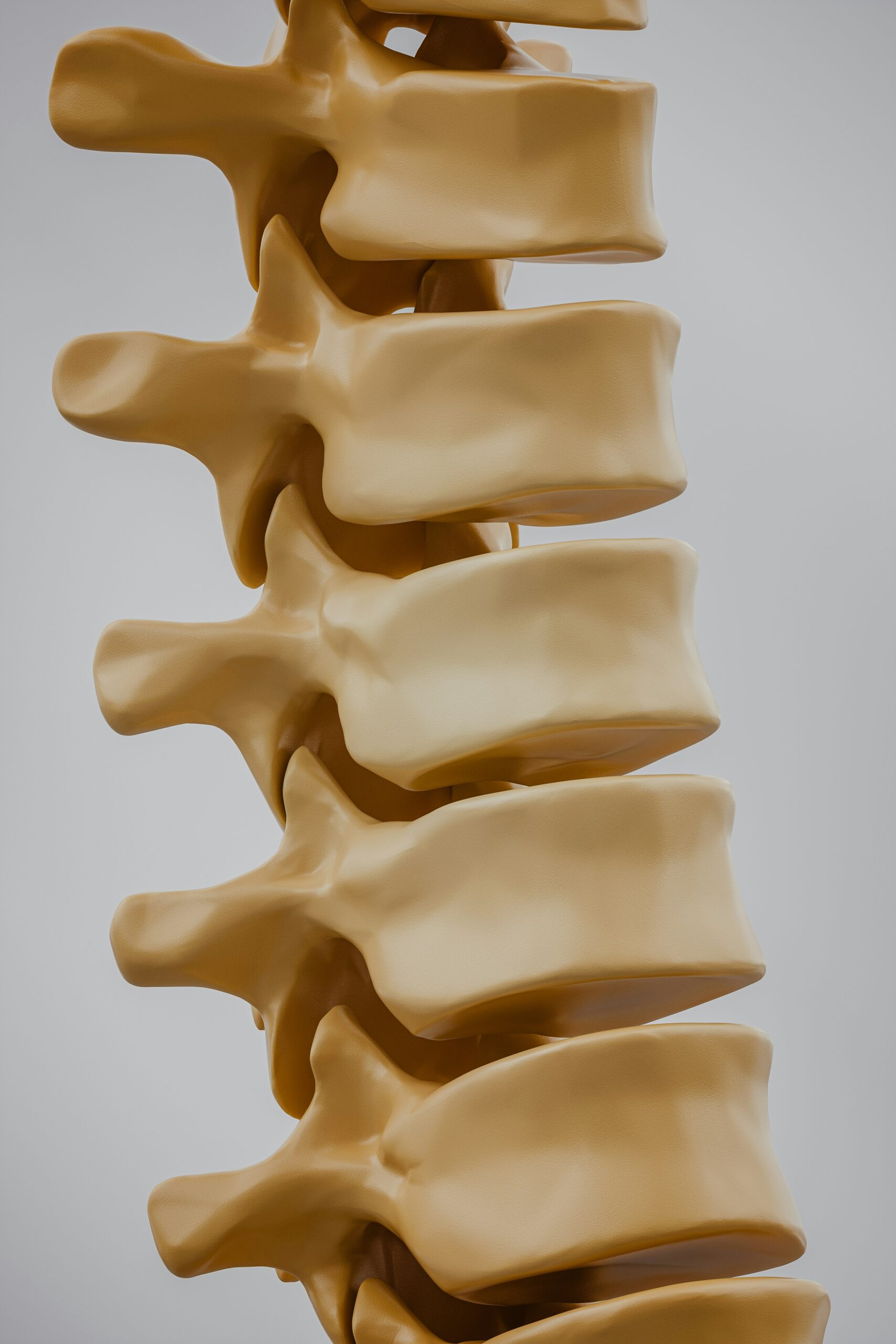
Physical therapy is one of the most effective non-surgical treatments for low back pain. A physical therapist can identify movement limitations, muscle imbalances, and posture issues contributing to pain.
Treatment plans are customized to each individual and may include stretching, strengthening exercises, manual therapy, posture training, and movement education. Physical therapy not only helps relieve current symptoms but can also reduce the likelihood of recurring back pain in the future. Many individuals experience significant improvement with consistent therapy and guided exercise programs.
Reduce Stress and Tension
Stress can contribute to muscle tension and increase the perception of pain. Chronic stress may lead to tightness in the neck, shoulders, and lower back, making discomfort more noticeable.
Relaxation techniques such as deep breathing, meditation, gentle yoga, and mindfulness may help reduce stress-related muscle tension and improve overall well-being. Sleep quality is also important, as inadequate rest can make pain more difficult to manage.
Know When to Seek Medical Attention
While most low back pain improves with conservative treatment, some symptoms may require medical evaluation. Persistent pain, numbness, weakness, loss of bladder or bowel control, or pain following a serious injury should be evaluated by a healthcare professional promptly. A medical provider can help determine the underlying cause of the pain and recommend appropriate treatment options.
Low back pain can be frustrating and disruptive, but surgery is not always necessary. In many cases, non-surgical treatments such as physical therapy, exercise, posture correction, stretching, and lifestyle changes can effectively reduce pain and improve function. At Pick PT, we know that taking a proactive approach to back health can help prevent future discomfort and support long-term mobility. By addressing symptoms early and building healthy habits, many individuals can successfully manage low back pain and return to the activities they enjoy most.