


Poor posture is one of the most common yet overlooked contributors to back and neck pain. Many people blame age, stress, or long work hours for their discomfort, but the way you sit, stand, and move plays a major role in how your body feels. When your posture is out of alignment, your muscles, joints, and spine must work much harder to support you, often leading to stiffness, pain, and long-term problems. Understanding what causes poor posture, and how it connects to back and neck pain is the first step toward improving your comfort and overall health.
What Causes Poor Posture?
Poor posture can develop from several everyday habits and lifestyle factors. While some causes are temporary or easily corrected, others may develop gradually over time.
Sedentary Lifestyle
Sitting for long periods, especially with poor ergonomics, is one of the leading causes of postural problems. When you sit with rounded shoulders or a slouched back, certain muscles become overstretched while others tighten. Over time, this imbalance makes it difficult to maintain proper alignment even when you try.
Weak Core and Back Muscles
Your core, back, and shoulder muscles play a major role in supporting your spine. When these muscles are weak, they struggle to hold your body in the correct position. This leads to slouching, forward head posture, and other forms of poor alignment.
Technology Use
Phones, tablets, and laptops often require users to look downward or lean forward. This “tech neck” position places prolonged strain on the neck and upper back muscles. Over time this becomes a habitual posture even when devices aren’t in use.
Muscle Imbalances
When certain muscles become tight and others become weak, your body shifts out of proper alignment. These imbalances can stem from repetitive movements, improper exercise techniques, or favoring one side of the body more than the other.
Stress and Fatigue
Stress can cause people to tense their muscles or hunch their shoulders. Fatigue also encourages slouching because the body lacks the energy to maintain proper form. When stress and fatigue are consistent, postural habits can gradually worsen.
Previous Injuries
Old injuries, especially those involving the neck, back, or shoulders, can impact posture long after they heal. Pain or muscle guarding may lead you to move differently or compensate in ways that contribute to poor alignment.
How Poor Posture Contributes to Back Pain
Poor posture places extra pressure on the spine and supporting muscles. Over time this added stress leads to discomfort, stiffness, and chronic pain.
Increased Pressure on Spinal Discs
When you slouch or lean forward, the discs between the vertebrae experience uneven pressure. This can cause disc irritation, bulging, or herniation, especially in the lower back. Poor posture accelerates wear and tear, making the spine more vulnerable to injury.
Strain on Muscles and Ligaments
Poor alignment forces certain muscles and ligaments to work harder to keep you upright. This added strain often leads to muscle fatigue, tightness, and spasms. In the lower back, this can feel like a constant ache or sharp, sudden pain during movement.
Reduced Core Support
A slouched posture weakens the core muscles over time. When the core can’t properly support the spine, the lower back absorbs more impact and movement stress, increasing the risk of pain and injury.
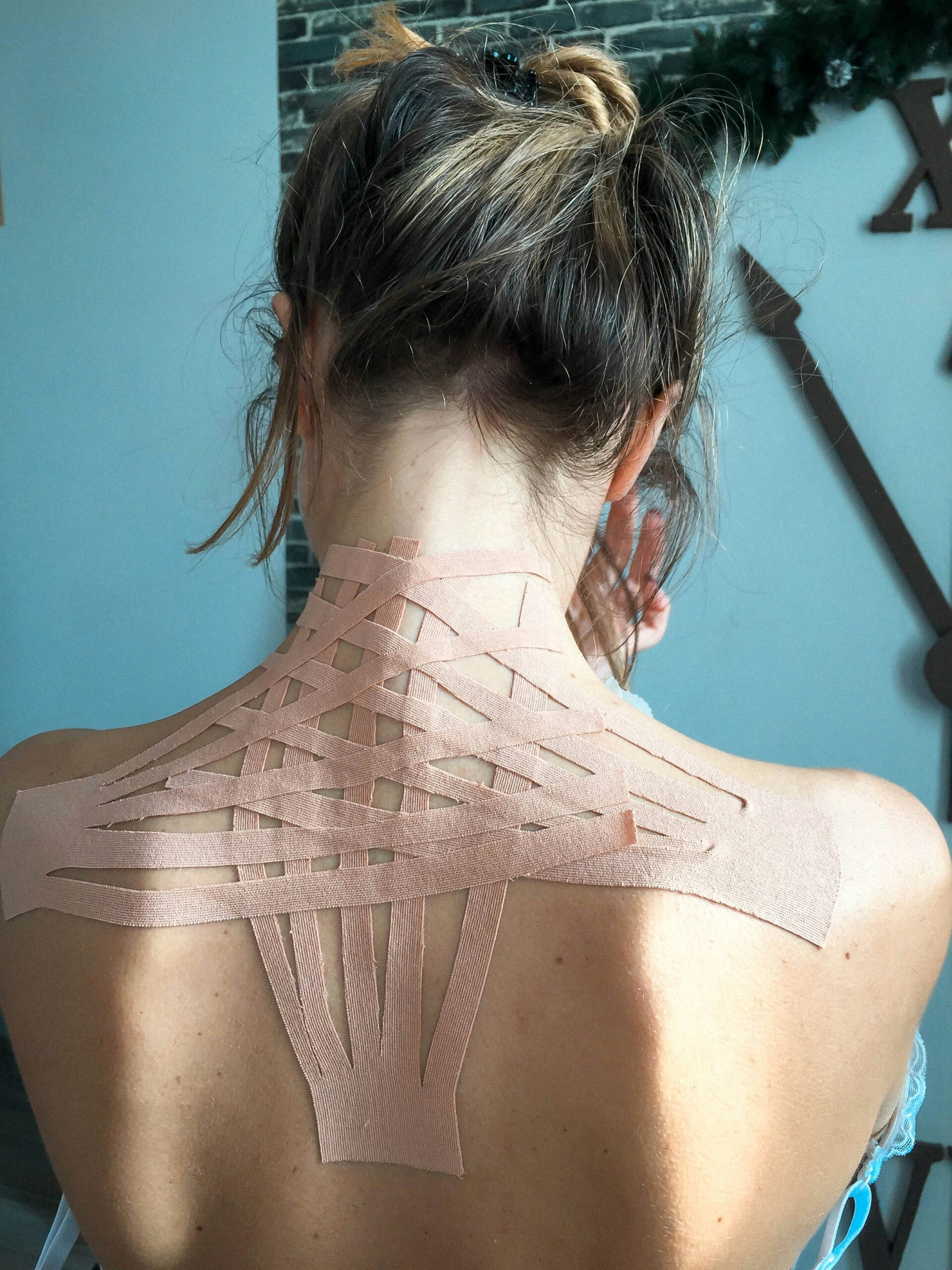
How Poor Posture Causes Neck Pain
Bad posture doesn’t only affect the back, it also heavily impacts the neck and shoulders.
Forward Head Posture
When the head juts forward, the neck muscles must work harder to hold it up. For every inch your head moves forward, the stress on your neck doubles. This leads to tightness, tension headaches, and chronic neck pain.
Shoulder and Upper Back Strain
Rounded shoulders and slumped upper back posture place constant tension on the muscles between the shoulder blades. This strain contributes to stiffness, burning sensations, and reduced mobility in the upper body.
Nerve Irritation
Poor neck alignment can compress nerves that run through the upper spine. This may cause numbness, tingling, or radiating pain into the arms and hands.
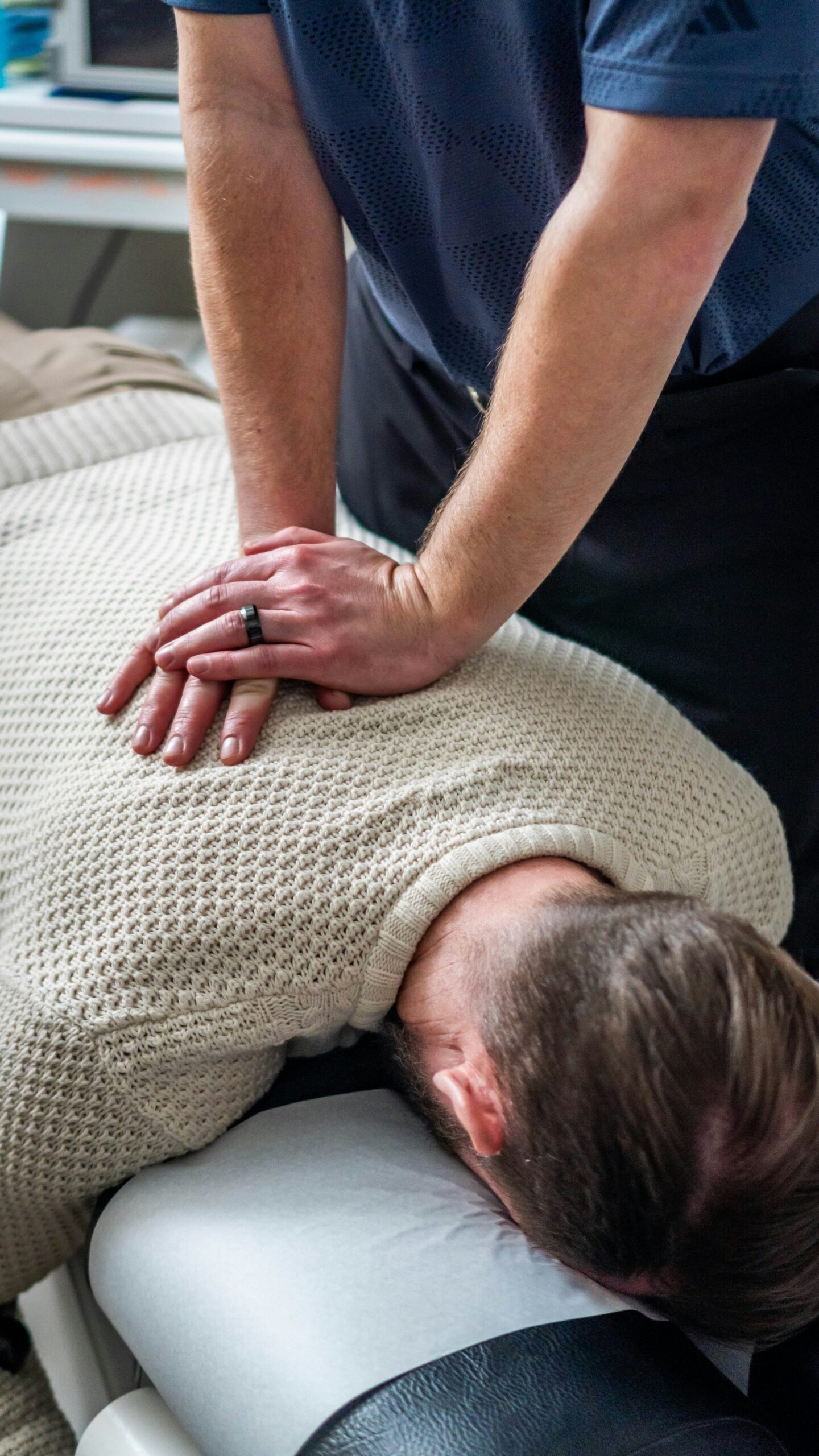
Poor posture is a major contributor to back and neck pain, but the good news is that it’s highly treatable once you understand the causes. By strengthening weak muscles, improving ergonomics, stretching tight areas, and correcting daily habits, you can significantly reduce pain and prevent future issues. At Pick PT, we know that physical therapy is one of the most effective ways to address poor posture, offering personalized exercises and hands-on techniques that restore proper alignment. With the right support, you can improve your posture, decrease pain, and move through life with greater comfort and confidence. Call us today if you are having back or neck pain!