


Strength training is often associated with building muscle and improving athletic performance, but its benefits go far beyond power and endurance. For athletes of all ages, a well-designed strength training program can play a major role in preventing sports-related injuries. When the body is strong, balanced, and properly conditioned, it is far more capable of handling the physical demands of training and competition. Understanding how strength training protects the body can help athletes stay healthy, confident, and competitive throughout their season.
Building Stronger Muscles and Joints
One of the most direct ways strength training prevents injuries is by improving the strength and stability of muscles, tendons, and ligaments. When these tissues are strong, they are better equipped to handle sudden movements, impact forces, and repetitive strain. Strong muscles also help protect vulnerable joints like the knees, shoulders, and ankles by keeping them properly aligned during activity. This added stability reduces the likelihood of common injuries such as sprains, strains, and overuse conditions.
Improving Balance and Coordination
Strength training doesn’t just target muscles—it also enhances neuromuscular control, which is the communication between your brain and body. Exercises that challenge balance, such as single-leg movements, help athletes develop better coordination and control. This improves reaction time and reduces the risk of falls or awkward movements that often lead to injuries. When your body moves efficiently, you’re less likely to experience the missteps that can cause sudden damage.
Correcting Muscle Imbalances
Muscle imbalances are one of the most common contributors to sports injuries. When certain muscles become stronger or tighter than others, they can pull the body out of alignment, increasing stress on joints and soft tissues. Strength training targets these imbalances by identifying weak areas and strengthening them appropriately. Correcting these discrepancies improves posture, movement patterns, and overall function, reducing the risk of chronic pain and repetitive injuries.
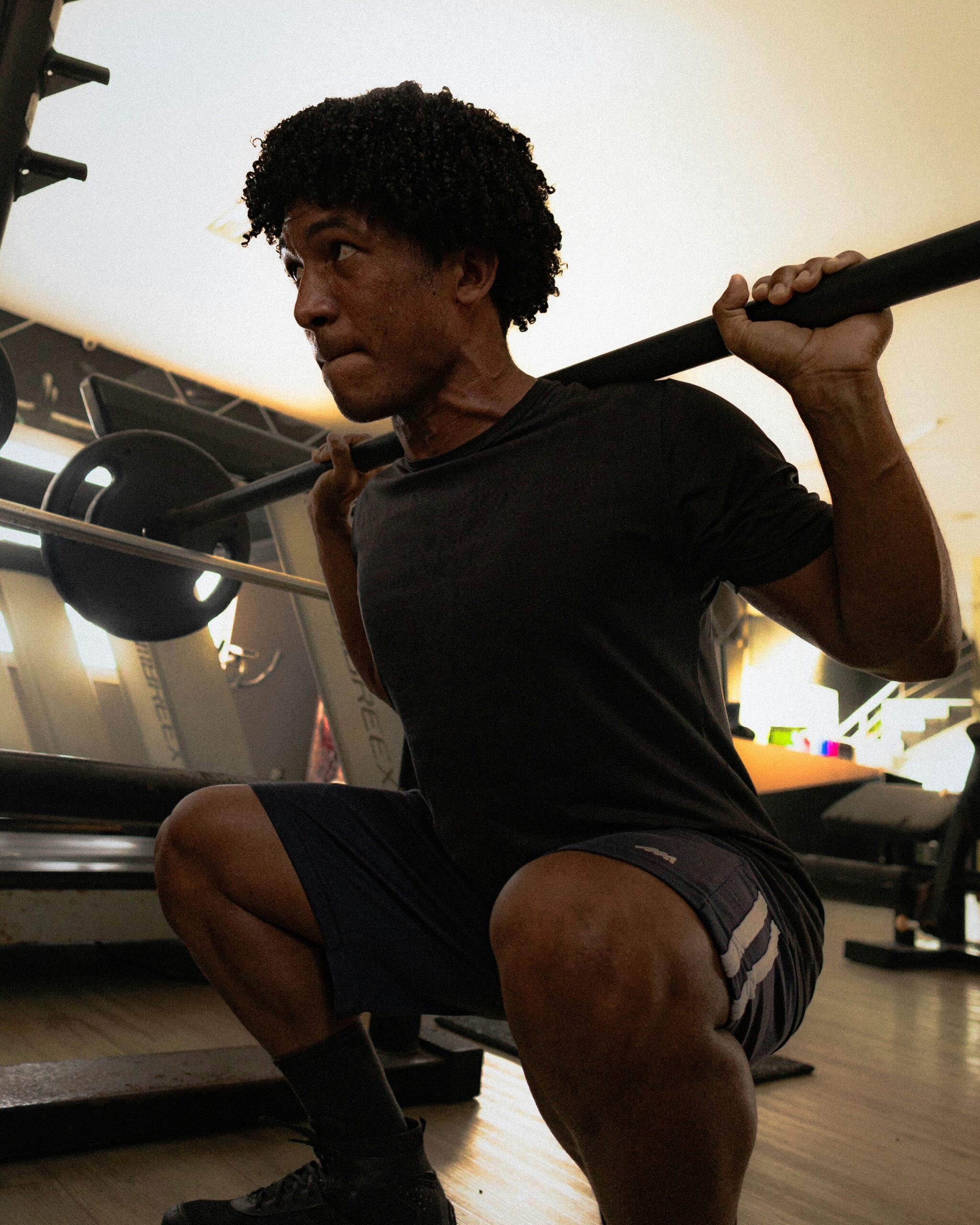
Enhancing Flexibility and Range of Motion
Many strength training programs incorporate mobility and flexibility exercises to improve joint range of motion. Strength training through a full range of motion can help maintain flexibility, prevent stiffness, and improve overall joint function. When joints move freely and muscles lengthen properly, athletes can perform at their best without compensating, which often leads to injuries.
Supporting Better Technique and Performance
Good technique is essential for preventing injuries in any sport. Strength training helps athletes develop the power and control needed to maintain proper form during both practices and competitions. When the body is strong, it becomes easier to perform techniques correctly, whether that’s a jump landing, a sprint start, a throw, or a swing. Better form leads to fewer mechanical errors and a reduced chance of injury.
Reducing Fatigue-Related Injuries
Fatigue is a major factor in sports injuries. When muscles get tired, form deteriorates and the risk of mistakes increases. Strength training improves overall endurance and muscular resilience, helping athletes maintain proper technique even during high-intensity or prolonged activity. Being stronger allows athletes to train harder, play longer, and stay safer.
Boosting Confidence and Mental Preparation
Strength training also contributes to mental readiness. When athletes feel strong and capable, they approach their sport with confidence. This mental boost encourages better decision-making and reduces hesitation—two factors that help prevent poor movements that can lead to injury. Confidence also helps athletes return to play more smoothly after an injury, reducing fear-based movements that can increase risk.
Strength training is one of the most effective ways to prevent sports injuries. By building strong muscles, correcting imbalances, improving flexibility, and reinforcing proper movement patterns, athletes can significantly reduce the risk of both acute and overuse injuries. At Pick PT, we know that incorporating a well-rounded strength program into your routine helps you play harder, move better, and stay safer. With guidance from a physical therapist or trained professional, athletes can develop a program that supports long-term health, optimal performance, and injury prevention. Contact us about our sports medicine program to see how we can help you as an athlete!